

Modern farming relies on Select Tractors for efficiency and sustainability. Safety features, technology integration, and cost considerations guide selection between new or used models. Key factors include power, maneuverability, fuel efficiency, and specific farm needs. Advanced technologies like hydraulic systems, GPS guidance, and autonomous driving enhance performance and productivity. Choosing the right Select Tractors enables farmers to maximize yields, reduce costs, and stay competitive in a rapidly changing agricultural landscape.
In the realm of modern farming, efficient equipment is not just an advantage—it’s a necessity. As the global population grows, so does the demand for sustainable and high-yield agricultural practices. This necessitates a deep dive into the top-rated farming equipment that can propel operations to new heights. Among these, Select Tractors stand out naturally due to their robust build, advanced technology, and versatility—key factors in navigating today’s complex and demanding farming landscape. In this authoritative piece, we explore these game-changers, providing valuable insights for farmers seeking to enhance productivity and efficiency.
- Understanding Modern Farming Equipment Essentials
- The Role of Tractors in Sustainable Agriculture
- Top Tractor Features for Efficient Farming
- Specialized Machinery for Diverse Crop Needs
- Choosing the Right Equipment: A Buyer's Guide
- Innovations Transforming Farm Operations Today
Understanding Modern Farming Equipment Essentials
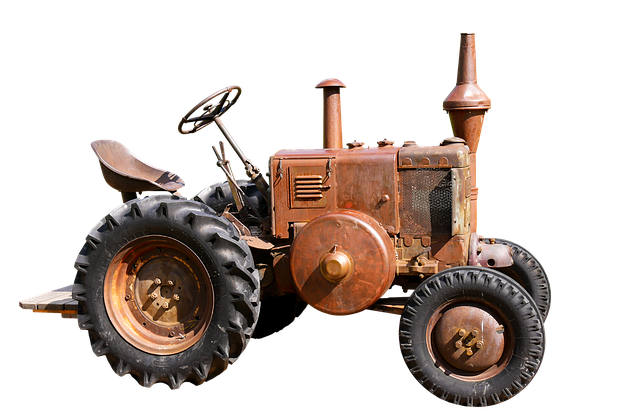
In modern farming, understanding the essentials of equipment is paramount to ensuring efficiency, safety, and productivity. At the heart of any farm lies a versatile piece of machinery: the tractor. Select Tractors, in their myriad forms, are more than just machines; they’re tools that can transform acres of land into fertile fields, facilitating various tasks from planting to harvesting. Among the vast array of tractors available today, recognizing key safety features becomes crucial. Modern tractors boast advanced systems like stability control and GPS guidance, which not only enhance operational efficiency but also safeguard farmers from accidents.
The evolution of farming equipment has led to a significant rise in technological integration. Farmers now have access to online tractor training courses that offer comprehensive learning experiences, enabling them to operate complex machinery with precision and confidence. These courses cater to both beginners and seasoned professionals, ensuring that everyone can stay current with the latest advancements. For instance, data from the National Farm Machinery Association shows a 25% increase in online tractor training participation over the last decade. This trend underscores the growing importance of digital education in farming communities.
When considering purchases, farmers have two primary options: acquiring new or used tractors. New models offer the latest features and warranties, while used tractors provide cost-effectiveness with significant discounts. Prices can vary widely, typically ranging from $10,000 to $200,000 for high-end models. For instance, a mid-range, brand-new tractor with advanced safety features might cost around $50,000, whereas a similarly equipped used model could be procured for approximately $25,000—a considerable saving of 50%. Therefore, farmers must weigh the benefits against their budgets when selecting tractors, keeping in mind the ongoing maintenance and operational costs.
The Role of Tractors in Sustainable Agriculture

Tractors play a pivotal role in sustainable agriculture, serving as versatile workhorses on farms of all sizes. Their efficiency and capability to handle diverse tasks make them an indispensable asset for modern farming practices. When selecting tractors, farmers must consider factors such as power, maneuverability, fuel efficiency, and the specific needs of their operations. For instance, a small-scale organic farmer might opt for a compact tractor with precision control, while a large-scale conventional farm could require a powerful machine capable of handling heavy equipment.
Proper tractor maintenance is crucial for ensuring optimal performance and longevity. Regular services, including oil changes, filter replacements, and engine tune-ups, are essential to keep these machines running smoothly. Online resources like tractor maintenance tips videos offer step-by-step guidance tailored to various models. For instance, popular brands often have dedicated websites providing detailed care instructions specific to their tractor series. Additionally, online tractor training courses equip farmers with the knowledge to perform basic troubleshooting and maintain their equipment effectively.
When considering tractors for hobby farming or small-scale operations, a variety of models cater to these needs. Many modern tractors are designed with comfort and ease-of-use in mind, featuring advanced technologies like GPS guidance and automated control systems. For example, compact tractors from renowned manufacturers often come equipped with versatile attachments, allowing farmers to switch between tilling, mowing, and lifting tasks effortlessly. These versatile machines not only save time but also contribute to more sustainable farming practices by reducing the need for specialized equipment.
By prioritizing tractor selection and maintenance, farmers can harness the full potential of these versatile tools. Whether through online resources or expert training courses, staying informed on the latest advancements and best practices ensures that tractors remain a powerful force in sustainable agriculture for years to come.
Top Tractor Features for Efficient Farming
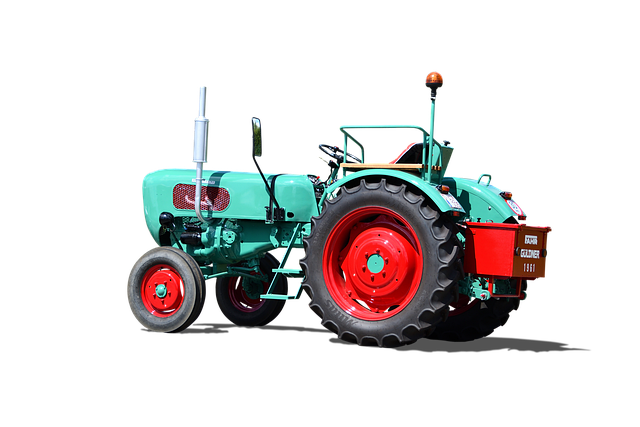
In the realm of modern farming, efficient equipment is paramount to maximizing yields and reducing operational costs. Among the cornerstones of successful agricultural ventures are tractors – versatile machines that play a crucial role in various farming activities. When selecting a tractor, farmers must consider not just its raw power but also advanced features designed for improved performance, comfort, and sustainability. Top-rated tractors today offer an array of innovations, from sophisticated hydraulic systems to precision navigation technologies, ensuring efficient operations across diverse farmscapes.
One prominent aspect that sets apart leading tractors is their adaptability through modifications tailored to specific farming needs. For instance, the integration of advanced driver assistance systems (ADAS) enhances safety and accuracy during field operations. Additionally, the shift towards electric or hybrid powertrains presents compelling benefits – these eco-friendly options offer reduced emissions, lower fuel costs, and quieter operation, aligning with modern farmers’ aspirations for sustainability. Electric tractors, in particular, have seen significant advancements, challenging conventional diesel models in terms of performance and efficiency.
Moreover, the global trend towards fuel-efficient machinery has spurred manufacturers to innovate, leading to comparably advanced tractors that consume less fuel without compromising power. Data from industry reports indicate a notable 15-20% reduction in fuel consumption among modern fuel-efficient tractors compared to their older counterparts. This not only translates to substantial savings for farmers but also underscores the industry’s commitment to environmental stewardship. When considering purchases, farmers are increasingly turning towards select tractor models renowned for their efficiency and performance, ensuring they stay ahead in a dynamic agricultural landscape.
Specialized Machinery for Diverse Crop Needs

In the realm of farming, the right equipment can significantly enhance productivity and efficiency. One crucial component often overlooked is specialized machinery tailored to diverse crop needs. Farmers today have a vast array of options when it comes to selecting tractors, each designed for specific tasks and terrain. The key lies in understanding your agricultural requirements and choosing the most suitable tractor, be it new or used, from reputable tractor dealer ratings and reviews.
When exploring top-rated farming equipment, the selection process should factor in the type of crops you cultivate and the scale of your operation. For instance, small tractors are ideal for gardening and cultivating smaller plots, offering maneuverability and ease of use. According to recent market data, the demand for compact and versatile tractors has been steadily rising among hobbyist gardeners and small-scale farmers. Brands like John Deere and Kubota consistently top the lists of best small tractors for their reliability and performance.
Selecting a tractor involves balancing factors such as power, traction, comfort, and price. New tractor prices can vary widely depending on brand, model, and features, while used tractors offer more affordable options with careful consideration. Reviews from fellow farmers and industry experts can provide valuable insights into the long-term performance and reliability of specific models. Remember that the best tractor for your neighbor might not be the ideal choice for your unique farming needs, so it’s essential to make an informed decision based on comprehensive research and practical experience.
Choosing the Right Equipment: A Buyer's Guide
Choosing the right farming equipment is a crucial decision that can significantly impact your productivity and efficiency. Among the most vital pieces of machinery are tractors, which serve as the backbone of many agricultural operations. When selecting a tractor, consider your specific needs and budget. For instance, if you’re a small-scale farmer, a compact tractor might be more suitable and cost-effective than a large, heavy-duty model. One popular option is to explore used farm tractors for sale near you; this can offer high-quality machines at a fraction of the cost of new models. Online platforms facilitate access to a wide range of options, allowing you to compare prices and features conveniently.
A key aspect to consider when Select Tractors is their hydraulic systems. These systems power many of the attachments and tools you’ll use, from hay balers to plows. Understanding basic hydraulics can enhance your operation’s versatility. Online tractor training courses provide a valuable resource for learning about these systems, ensuring you make informed decisions when purchasing or maintaining your equipment. Modern tractors often feature advanced hydraulic systems that offer precise control and power, allowing for more efficient tasks like planting and harvesting.
Additionally, the right tractor should be easy to operate and maintain. Look for models with user-friendly controls and intuitive designs, especially if you’re new to farming. Regular maintenance, such as servicing and replacing parts, is essential for keeping your equipment running optimally. Many online resources offer guidance on maintenance schedules and best practices for used farm tractors. By prioritizing these factors, you’ll be well on your way to selecting the perfect tractor to meet your unique farming requirements.
Innovations Transforming Farm Operations Today

The farming industry is undergoing a remarkable transformation as innovations continue to reshape farm operations. Among these advancements, modern tractors stand out for their versatility, efficiency, and environmental sustainability. Today’s farmers are no longer confined to traditional heavy machines; they now have access to a diverse range of select tractors that cater to specific needs. For instance, fuel-efficient models not only reduce operational costs but also minimize the industry’s carbon footprint, aligning with global sustainability goals.
When exploring top-rated farming equipment, it’s crucial to consider both new and used options. The market offers an array of affordable used tractors near me, providing cost-effective solutions for farmers looking to enter the field or expand their fleets. These pre-owned machines often come with a fraction of the original price tag, allowing buyers to invest in high-quality tractors without breaking the bank. Moreover, consumers can leverage online platforms and local tractor parts stores nearby to access specialized services and genuine spare parts, ensuring efficient maintenance and longevity of these valuable assets.
Comparing fuel-efficient tractors is a strategic move for modern farmers aiming to optimize their operations. Advanced technologies like precision farming and smart tractor systems enable farmers to make data-driven decisions, enhancing overall productivity. For instance, some leading brands offer advanced GPS guidance and autonomous driving capabilities, allowing tractors to perform tasks with remarkable accuracy and minimal human intervention. This not only reduces labor costs but also minimizes field damage, leading to healthier crops and higher yields. Ultimately, by selecting the right tractors, farmers can navigate the ever-changing agricultural landscape, ensuring their operations remain competitive and sustainable.
By exploring modern farming equipment and adopting innovative technologies, farmers can significantly enhance productivity and sustainability. Understanding the essential roles of tractors and specialized machinery for diverse crop needs is crucial. When selecting tractors or any equipment, consider key features promoting efficiency and environmental stewardship. The article highlights the importance of making informed choices based on specific farm requirements. Moving forward, embracing technological advancements will not only revolutionize farm operations but also ensure a more resilient and prosperous agricultural future. Selecting the right tractors and machinery naturally flows from this knowledge, enabling farmers to thrive in today’s competitive and eco-conscious landscape.