

Selecting tractors involves matching machine capabilities to farming needs and insuring against risks. Select Tractor insurance plans vary by farming type, fleet size, age, and specific hazards. Key insights include:
– Training personnel enhances safety and reduces accidents.
– Coverage options include comprehensive, collision, and liability insurance.
– Farmers increasingly choose broader coverage for rising maintenance costs and tractor prices.
– Assess operation needs before choosing an insurance plan.
– Consider comprehensive policies addressing mechanical breakdowns and accidental damage.
– Advanced safety features like emergency stop systems can lead to premium discounts.
– Compare deductibles, limits, and exclusions for cost-effective robust protection.
In today’s agricultural landscape, the reliable operation of tractors is paramount for efficient farming practices. However, managing risks associated with these powerful machines can be a challenge. This article delves into the critical aspect of tractor insurance plans, offering a comprehensive guide to help farmers and enthusiasts Select Tractors that align with their needs. We explore various types of coverage, from liability protection to specialized machinery repairs, addressing the unique challenges faced by owners. By the end, readers will gain valuable insights, ensuring they make informed decisions when securing their investment in these versatile workhorses.
- Understanding Tractor Insurance Needs
- Select Tractors: Key Features to Consider
- Getting the Right Coverage for Your Farm
Understanding Tractor Insurance Needs
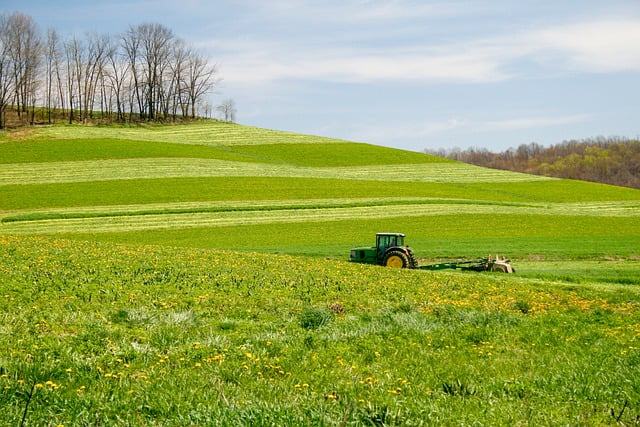
Selecting a tractor is a significant investment for farmers and agricultural businesses. As such, understanding your insurance needs is crucial to protect this valuable asset. Tractor insurance plans vary widely, and what’s right for one operation may not be suitable for another. Key factors to consider include the type of farming you do, the size and age of your fleet, and your specific risks, such as operating in diverse terrain or dealing with harsh weather conditions.
One essential aspect often overlooked is the value of properly trained personnel. Tractor dealers play a vital role here; selecting a dealer with high ratings and reviews can ensure not only top-quality machinery but also expert guidance on insurance options tailored to your operation’s unique needs. Online tractor training courses further enhance operator safety and efficiency, reducing the risk of accidents and damage. For instance, understanding the intricacies of high-performance tractors designed for large fields necessitates specialized knowledge and responsible handling.
In terms of coverage, consider comprehensive and collision plans for new or specialized equipment. Additionally, liability insurance protects against potential on-farm incidents involving visitors or employees. When navigating these options, remember that your local insurance agent can offer valuable insights based on regional agricultural trends. Data shows that many farmers are opting for broader coverage to safeguard against increasing maintenance costs and the high price tags of modern tractors. Thus, a thorough assessment of your operation’s specific needs is paramount before settling on an insurance plan.
Select Tractors: Key Features to Consider
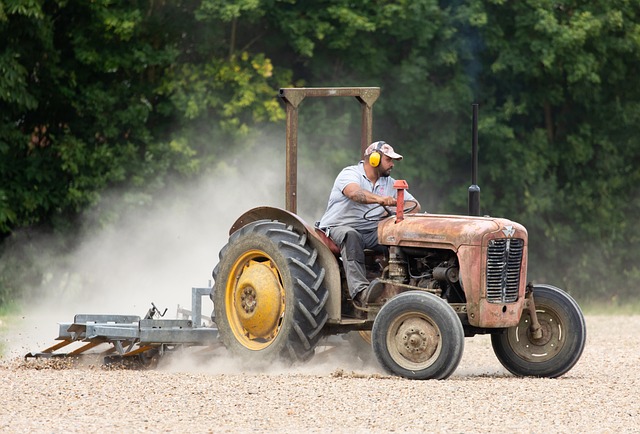
When selecting tractors for your farming needs, it’s crucial to consider key features that align with your specific requirements. For hobby farmers, versatile tractors that cater to a range of tasks can be ideal. These machines often offer attachments for lawn care, tilling, and even light construction work, making them highly efficient investments. Popular tractor models for this demographic include compact utilities with 20-40 horsepower, known for their maneuverability and affordability. For instance, brands like John Deere and Kubota provide excellent options within this category, with new models starting from around $15,000 to $30,000, depending on features and attachments.
For farmers looking to handle multiple tasks, mid-size or full-size tractors with powerful engines are recommended. These versatile tractors can manage heavy-duty work like plowing and towing while also offering precision for tasks like crop spraying and seed planting. Models from manufacturers like Case IH and New Holland often feature advanced technology, including GPS guidance and automated steering, enhancing efficiency and accuracy. New and used tractor prices in this segment typically range from $30,000 to $100,000 or more, depending on the make, model, year, and condition.
Before making a decision, thoroughly evaluate your farm’s needs. Consider the types of tasks you’ll perform most frequently and select a tractor with corresponding power, speed, and versatility. Also, factor in future expansion plans; a tractor that can accommodate additional attachments or upgrades as your farming operations grow is a sound investment. Remember, the right tractor isn’t just about power; it’s about finding the perfect balance between capability and cost to support your farming efforts efficiently and effectively.
Getting the Right Coverage for Your Farm
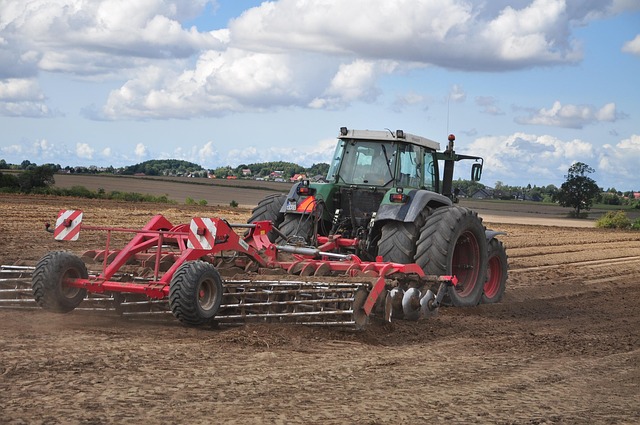
Selecting the right tractor insurance plan is a crucial step for any farmer looking to protect their investment and ensure seamless operations. When navigating the diverse landscape of coverage options, especially when considering affordable used tractors near me, understanding what matters most becomes paramount. Beyond basic protection, farmers must consider comprehensive policies that address specific risks inherent in agricultural machinery. This includes mechanical breakdowns, accidental damage, and even potential liability associated with tractor operation.
A key aspect often overlooked is the importance of tractor safety training certificates. Having certified operators reduces accidents and, consequently, insurance claims. According to recent data, farms with regularly trained staff exhibit a 30% lower incident rate compared to those without formal training. This underscores the value of investing in certified operator programs, which can be a significant factor in securing competitive insurance rates. For instance, select tractors for farming that come equipped with advanced safety features like emergency stop systems and collision avoidance technology may also merit discounted premiums.
When comparing plans, farmers should scrutinize deductibles, coverage limits, and exclusions. A lower deductible might seem appealing but could result in higher overall costs if not carefully considered. Conversely, comprehensive policies offering broader protection, including coverage for natural disasters or theft, can provide peace of mind but may come at a premium. Ultimately, the ideal insurance plan balances cost-effectiveness with robust coverage to safeguard your farm’s financial health and operational continuity.
By understanding your specific tractor insurance needs, selecting the right tractor with key features, and ensuring adequate coverage for your farm, you can protect your investment and maintain seamless operations. When Select Tractors, consider factors like age, usage, and maintenance history to inform your decision. Prioritize comprehensive and collision coverages, along with liability protection, tailored to your farm’s unique requirements. This strategic approach enables you to navigate potential risks effectively, fostering the success and sustainability of your agricultural endeavors.