
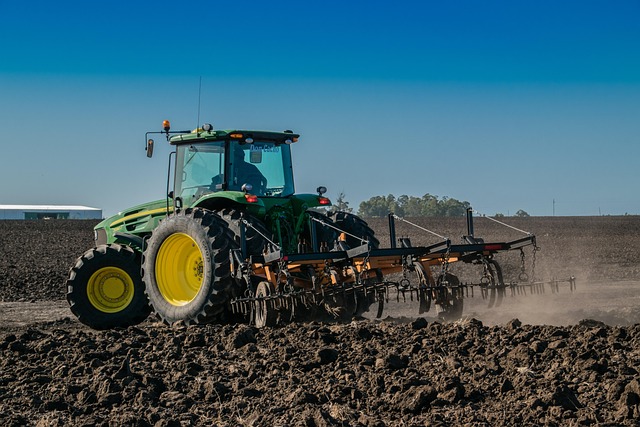
Selecting tractors requires understanding farm needs: land area, terrain, tasks, and budget. Compact tractors excel in tight spaces, while powerful machines handle heavy duties. Evaluate fuel efficiency, engine power, transmission, and implement capacity. Modern features like GPS guidance enhance productivity. Renting? Choose tailored tractors for specific farming applications from top brands like John Deere, Ford, Massey Ferguson, or New Holland.
In the realm of modern farming, efficient machinery plays a pivotal role in enhancing productivity while reducing labor costs. Among the diverse array of equipment, tractors stand as indispensable workhorses, capable of tackling various tasks from tilling fields to hauling cargo. However, not all farmers have access to their own tractors, presenting a significant challenge for those looking to mechanize their operations. This is where renting comes into play, offering a flexible and cost-effective solution. Select Tractors provides an authoritative guide to navigating this option, ensuring farmers make informed decisions when rent a tractor for farming purposes.
- Understanding Your Farm's Needs Before Renting
- Choosing the Right Tractor: Features & Comparisons
- Effective Strategies for Optimizing Tractor Rental
Understanding Your Farm's Needs Before Renting
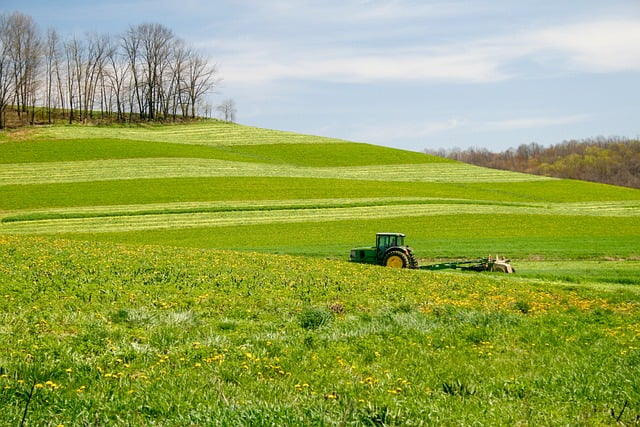
Before renting a tractor for farming, understanding your unique farm’s needs is paramount. This involves assessing factors like land area, terrain roughness, primary tasks, and budget. For instance, a vast, level field may require a larger, heavy-duty tractor, while a smaller, hilly plot could benefit from a compact yet agile model. Selecting the right tractor ensures maximum efficiency and productivity, preventing unnecessary strain or inefficiencies.
Consider the top-rated compact tractors of 2023 if your operations involve tight spaces or varied terrain. These machines offer versatility and maneuverability, making them ideal for tasks like lawn care, field maintenance, and small-scale construction. Conversely, if heavy-duty tasks are paramount—such as large-scale clearing or construction work—a powerful tractor designed for such endeavors will be more suitable. Compare fuel-efficient tractors to not only reduce operational costs but also minimize environmental impact.
Expert farmers and agronomists recommend evaluating your farm’s specific challenges and goals when selecting a tractor. For instance, if crop cultivation is primary, consider models with advanced attachment capabilities for seeding, harvesting, and tillage. Conversely, livestock farming might require a tractor with strong hauling capabilities and versatile implements. By matching the tractor to your unique needs, you’ll enhance operational efficiency and longevity, ensuring your farm’s success.
Choosing the Right Tractor: Features & Comparisons
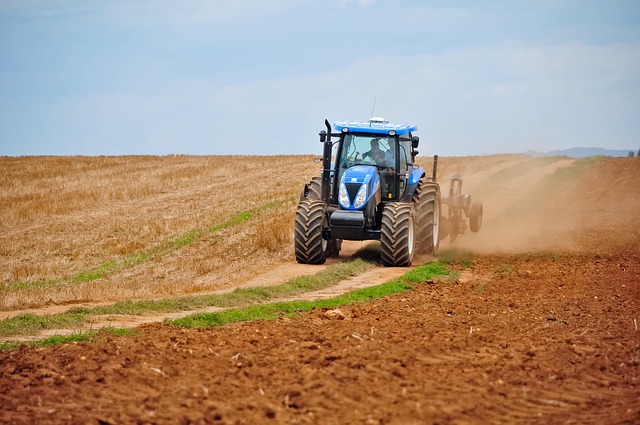
Selecting the ideal tractor is a significant decision for any farmer or enthusiast looking to enhance their agricultural operations. With various brands, models, and features available, understanding your specific needs and comparing key elements is essential. This process involves evaluating power, versatility, comfort, and technological advancements tailored to your farming requirements. For instance, a small-scale organic farm might prioritize maneuverability and fuel efficiency, while a large-scale commercial operation may require heavy-duty models capable of handling extensive fields and demanding tasks.
Tractor dealer ratings and reviews play a pivotal role in guiding your decision. Reputable dealers often provide detailed insights into different tractor makes and models, helping you weigh the pros and cons. Reading genuine customer feedback can offer valuable perspectives on performance, reliability, and after-sales service. Additionally, having access to tractor parts stores nearby ensures that spare parts are readily available for maintenance or repairs, minimizing downtime. Popular brands like John Deere, Ford, and Massey Ferguson have established themselves in the agricultural sector through consistent innovation and high-quality construction.
When comparing tractors, consider key features such as engine power (measured in horsepower), transmission types (manual or hydrostatic), and implement capacity. Modern tractors often come equipped with advanced technologies like GPS guidance systems, precision farming tools, and data monitoring capabilities, enhancing efficiency and productivity. For instance, John Deere’s Select Series offers a range of models with powerful engines, comfortable cabins, and intuitive controls, catering to various farming applications. By carefully evaluating your needs and leveraging expert advice from dealers and reviews, you can select tractors (whether new or used) that become the versatile workhorses of your farm.
Effective Strategies for Optimizing Tractor Rental
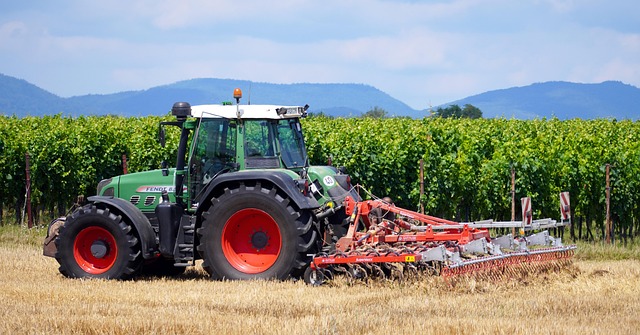
Renting a tractor is a significant decision for farmers, especially when facing diverse farming needs. To optimize this process, it’s crucial to employ strategic approaches that align with specific requirements. Firstly, select tractors that cater to the nature of your farming activities. Versatile tractors capable of handling multiple tasks, from tilling to harvesting, can be a game-changer for efficient operations. For instance, compact tractores excel in tight spaces, while larger models tackle heavy lifting and land preparation.
When tackling construction or landscaping alongside farming, consider heavy-duty tractors designed for such multifaceted roles. These machines offer increased power and durability, ensuring they withstand demanding tasks. Top global brands like John Deere, known for their robust construction equipment, provide a range of versatile tractors suitable for both farming and light construction projects.
Identifying the top 10 tractor brands globally can guide your rental choices, offering insights into industry leaders with proven track records. According to recent market reports, brands like Ford, Massey Ferguson, and New Holland consistently feature among the top, each renowned for specific strengths. For instance, New Holland’s precision farming technologies appeal to modern agricultural practices, while Ford offers a range of versatile models catering to various user needs.
Ultimately, successful tractor rental involves matching equipment with tasks, considering heavy-duty options for diverse operations, and relying on reputable brands known for quality and performance. This strategic approach ensures farmers get the most from their rented tractors, enhancing productivity and profitability.
By thoroughly understanding your farm’s unique needs and selecting tractors naturally suited to those requirements, you can maximize efficiency and productivity during tractor rental. The key insights from this article underscore the importance of pre-rental assessments, feature comparisons, and strategic optimization techniques. Prioritize regular maintenance, familiarize yourself with safety protocols, and consider rental durations that align with your agricultural objectives for a seamless and successful experience. These practical steps empower farmers to make informed decisions, ensuring they rent the right equipment for their specific farming demands.