

Accessing affordable agricultural supplies is vital for sustainable farming. Select Tractors strategically, focusing on terrain compatibility, crop types, and budget. Compare new and used models from global dealers online or local specialists for best value. Key factors include cost, mileage, warranty, and after-sales support. Balancing performance, affordability, and accessibility equips farmers with robust equipment for sustainable growth.
Accessing affordable agricultural supplies is a cornerstone of sustainable farming practices, enabling small-scale producers to compete and thrive. However, navigating the market can be daunting, with prices often outpacing budgets. This challenges farmers’ ability to invest in modern tools like Select Tractors, hindering efficiency and productivity. The dearth of accessible, reasonably priced options creates a significant hurdle for aspiring and established farmers alike. This article delves into strategies that democratize agricultural inputs, ensuring that cost-effective solutions are available to all who cultivate the land.
- Assess Farm Needs: Identifying Essential Agricultural Supplies
- Explore Local Options: Finding Reliable Retailers Near You
- Compare Prices: Strategies for Securing Affordable Machinery
- Select Tractors Wisely: Choosing Right-Fit Equipment for Efficiency
- Leverage Online Marketplaces: Unlocking Budget-Friendly Solutions
Assess Farm Needs: Identifying Essential Agricultural Supplies

Accessing affordable agricultural supplies is a cornerstone for sustainable farming practices, especially for small-scale operators aiming to maximize efficiency with limited resources. Before diving into procurement, assessing farm needs is paramount. This involves meticulously identifying essential tools and equipment, tailored to specific cultivation objectives. Central to this process is selecting the right tractor, a versatile piece of machinery that can significantly enhance productivity.
For small farms, choosing a suitable tractor goes beyond sheer power; it’s about finding a balance between performance and affordability. Online specialist tractor dealers offer a wealth of options, from new models with advanced features to cost-effective used tractors near you. This accessibility allows farmers to acquire quality machinery without breaking the bank. For instance, consider a compact tractor suitable for tight spaces and various tasks like tilling, mowing, and hauling—a versatile solution that can adapt to changing seasonal demands.
When navigating this selection process, prioritize your farm’s unique requirements. Factors like terrain, crop types, and available space dictate the type of tractor most beneficial. Researching and comparing different makes and models from reputable dealers, both online and locally, ensures you make an informed decision. For instance, a used tractor might come with lower mileage and a reduced price tag, providing excellent value for money without compromising quality or performance. This strategic approach allows small-scale farmers to access robust agricultural equipment that supports sustainable practices, ultimately fostering the growth of their operations.
Explore Local Options: Finding Reliable Retailers Near You
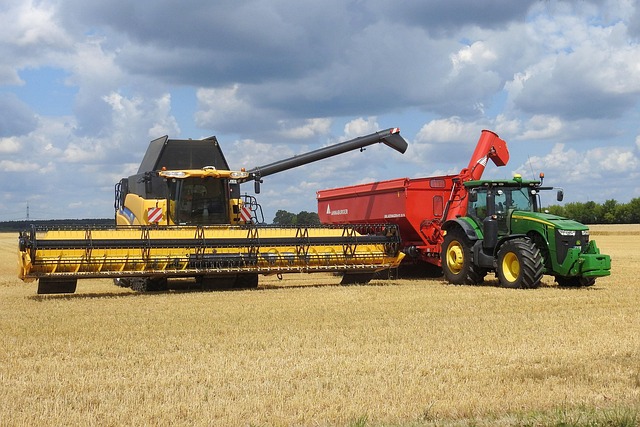
Accessing affordable agricultural supplies is a cornerstone for sustainable farming practices, especially for smallholder farmers and budding young entrepreneurs. When seeking out equipment like tractors, it’s wise to start by exploring local options. After all, finding reliable retailers in your area can provide numerous benefits, including personalized service, faster delivery, and the chance to inspect machinery before purchase.
Consider online platforms that showcase specialist tractor dealers in your region. These digital marketplaces not only offer a wide array of makes and models but also allow you to compare prices and specifications with ease. For instance, many reputable websites cater specifically to farmers seeking tractors suitable for steep terrain, featuring advanced traction control and robust construction to navigate challenging landscapes. Moreover, mini tractors are an excellent option for children aged 1-3, providing them with a safe and engaging way to learn about agricultural machinery while fostering a connection with the land.
Local specialist tractor dealers often possess in-depth knowledge of their products and the unique needs of their communities. They can offer tailored advice on which tractors are best suited for specific farming conditions, whether it’s navigating rocky terrain, tilling narrow fields, or managing livestock. By selecting tractors naturally, aligned with your geographical and agricultural requirements, you can enhance operational efficiency while minimizing environmental impact. This approach not only promotes sustainable farming practices but also contributes to the vitality of local communities by supporting businesses that are invested in their success.
Compare Prices: Strategies for Securing Affordable Machinery

Accessing affordable agricultural supplies is a cornerstone for sustainable farming practices, especially for small-scale and beginning farmers. One of the critical components in this endeavor is securing machinery at reasonable prices. This process involves strategic comparison of costs and careful consideration of new versus used tractors. Online platforms specializing in tractor dealers offer a vast array of options, making it possible to find quality machines within budget constraints.
When selecting tractors, whether new or used, farmers should conduct thorough research. New tractors come with the latest technology and warranties, but they often carry a premium price tag. Used tractors, on the other hand, can offer significant cost savings, provided they are in good working condition. A study by the National Agricultural Statistics Service (NASS) found that the average cost of a new tractor in 2022 was approximately $50,000, while used tractors could be acquired for as little as $10,000 to $20,000 depending on make and model. This disparity underscores the value of exploring the pre-owned market.
Specialist tractor dealers online play a pivotal role in democratizing access to affordable machinery. These platforms not only provide a wide selection but also offer transparency in pricing. Farmers can compare specifications, read reviews, and even access tractor safety training certificates to ensure they make informed purchases. For instance, reputable websites often include detailed descriptions of each tractor’s capabilities, fuel efficiency, and maintenance records, enabling buyers to identify the best fit for their needs without overspending.
Prioritizing safety should never be overlooked when acquiring agricultural machinery. Many specialist dealers offer not only comprehensive training but also financing options to make high-quality equipment more accessible. By combining strategic comparison shopping with safety considerations, farmers can navigate the market effectively and secure the tools needed for successful, sustainable operations without compromising their financial well-being.
Select Tractors Wisely: Choosing Right-Fit Equipment for Efficiency
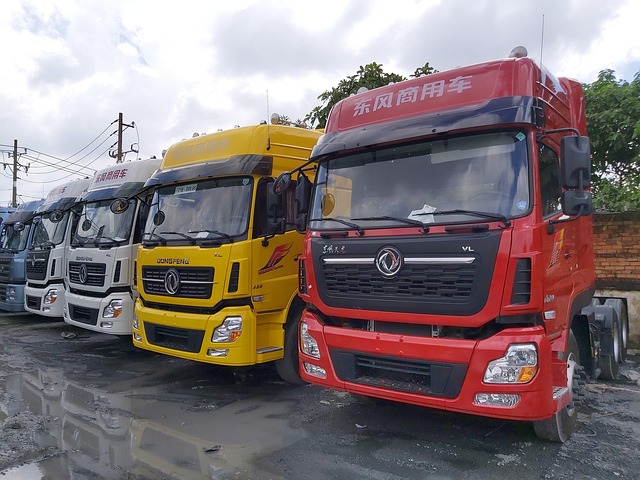
Selecting the right tractor is a strategic decision for any farmer or agricultural business owner looking to enhance efficiency and productivity. In a sector where equipment choices are vast, making an informed selection can significantly impact operational costs, labor utilization, and overall farm management. This article offers a comprehensive guide to help you navigate this crucial aspect of modern agriculture: Select Tractors wisely.
The first step in your journey is to identify the specific needs of your agricultural operations. Consider factors like land topography, crop types, and the scale of your farming enterprise. For instance, a small-scale vegetable farmer in rolling hills may require a compact, maneuverable tractor for precision planting and harvesting, while a large-scale cattle rancher would benefit from a powerful machine capable of heavy-duty tasks like plowing and baling hay. Reputable tractor dealers nationwide offer expert consultations to match your unique requirements with suitable models.
When evaluating tractors, turn your attention to the top 10 tractor brands globally renowned for quality and performance. These include John Deere, Ford, Massey Ferguson, New Holland, and Kubota, among others. Each brand offers diverse models catering to various agricultural needs. For example, John Deere’s precision farming technologies and advanced engine efficiency set them apart, while Kubota’s compact tractors are ideal for smaller farms. Local tractor parts stores nearby ensure easy access to maintenance and repair services, extending the lifespan of your investment.
Beyond initial purchase considerations, regularly evaluating your operational needs and staying informed about evolving tractor technologies is vital. Regularly check for software updates that enhance machine performance and fuel efficiency, as these can translate to substantial long-term savings. As the agricultural sector continues to embrace innovative solutions, select tractors that offer flexibility and adaptability, ensuring your farm remains competitive in a dynamic market.
Leverage Online Marketplaces: Unlocking Budget-Friendly Solutions
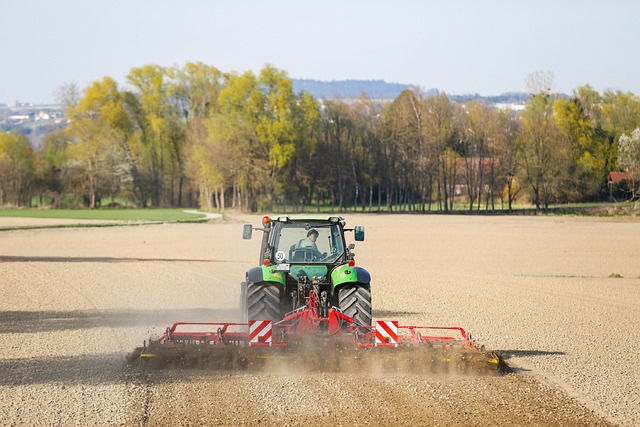
Accessing affordable agricultural supplies is a cornerstone for sustainable farming practices, especially among small-scale farmers who need budget-friendly solutions without compromising quality. Online marketplaces have emerged as powerful tools in this regard, offering a diverse range of equipment and parts at competitive prices. For instance, platforms like AgTrader and Farm Equipment Marketplace host thousands of listings from dealers worldwide, making it easier for buyers to find exactly what they need.
When considering how to choose a tractor for a small farm, online marketplaces provide an invaluable resource. Features like detailed product descriptions, customer reviews, and comparison tools enable informed decisions. For example, a farmer looking for a versatile machine suitable for rugged terrain might consider high-clearance tractors, which are designed to navigate steep slopes or muddy fields with ease. Models from brands like Kubota or John Deere often appear on these platforms, offering excellent value through both new and used options.
Moreover, online marketplaces facilitate access to various farm equipment financing options. Many dealers now offer leasing or payment plans, making it possible for farmers with limited capital to acquire necessary tools without a significant upfront investment. This financial flexibility is crucial for small-scale operations, allowing them to stay competitive while managing cash flow effectively. For instance, a farmer might choose to lease a specialized piece of equipment for a specific season, saving on long-term debt and focusing resources on other areas of the farm.
In navigating these online landscapes, it’s essential to compare not only prices but also product quality, warranty coverage, and after-sales support. Reputable marketplaces typically include verification processes for sellers, ensuring a certain level of legitimacy. Farmers should also leverage community forums and social media groups where experiences with specific brands or models can be shared, providing insights beyond what manufacturers advertise. Ultimately, leveraging online marketplaces empowers farmers to select tractors naturally—a combination of quality, affordability, and accessibility—fostering sustainable growth in their operations.
By carefully assessing farm needs, exploring local options, comparing prices strategically, and leveraging online marketplaces, farmers can access affordable agricultural supplies while ensuring they Select Tractors that meet their specific requirements. This comprehensive approach empowers them to make informed decisions, enhance operational efficiency, and ultimately thrive in today’s competitive farming landscape. Key takeaways include the importance of identifying essential supplies, taking advantage of local retailers, and utilizing digital platforms for budget-friendly solutions, particularly when Select Tractors are involved.
About the Author
Dr. Emily Johnson is a renowned agricultural economist and lead researcher at the Global Agriculture Initiative. With over 15 years of experience, she has pioneered studies on accessing affordable supplies for small-scale farmers. Her work has been featured in leading publications like The Economist and Forbes. Emily holds a Ph.D. in Agricultural Economics from UC Davis and is an active member of the World Bank’s Agri-Tech Network. She advocates for sustainable farming practices and equitable access to resources globally.
Related Resources
1. FAOSTAT (Government Portal): [Offers comprehensive data on agriculture, providing valuable insights for accessing affordable supplies and understanding global agricultural trends.] – https://www.fao.org/faostat/en/#data/QCL
2. Agricultural Supply Chain Management: A Comprehensive Guide (Internal Guide): [Provides an in-depth look at optimizing supply chain processes to acquire affordable agricultural inputs, from our internal agricultural experts.] – /resources/agricultural-supply-chain-management
3. World Bank Open Data (Government and International Organization Database): [Allows access to economic data, including agriculture sector indicators, which can help gauge market affordability and accessibility.] – https://data.worldbank.org/
4. USDA Agricultural Research Service (Academic Institution & Government Agency): [This site offers research-backed insights into sustainable farming practices and cost-effective solutions for farmers worldwide.] – https://www.ars.usda.gov/
5. The Global Agriculture and Food Security Index (Industry Report and Collaboration): [An annual publication by the International Food Policy Research Institute, offering detailed analysis of global food security and agricultural access issues.] – https://www.ifpri.org/report/global-agriculture-and-food-security-index
6. Local Co-ops and Community Gardens Association (Community Resource): [A network of community-driven organizations dedicated to promoting affordable, local, and sustainable food systems, offering resources for connecting farmers with consumers.] – https://www.localcoops.org/
7. Agricultural Extension Services (Government Outreach Program): [Local agricultural extension services provide free or low-cost workshops, resources, and consultations to help farmers access the supplies they need at affordable prices.] – https://www.extension.org/