
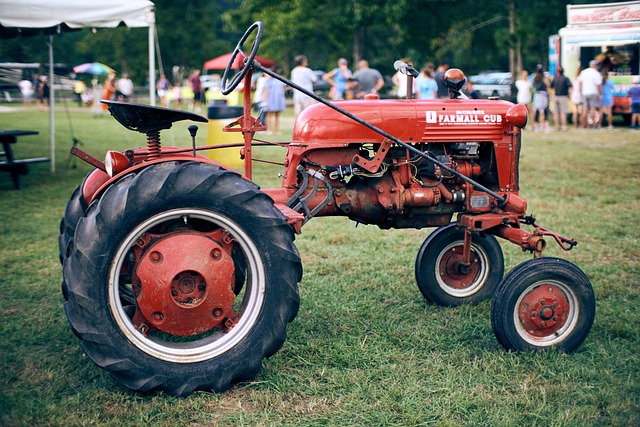
Selecting the right tractor involves assessing farm needs, from land size to crop types. For small farms, compact tractors with advanced hydraulics are ideal; large-scale operations require powerful machines. Hydraulic systems power attachments for efficient task switching. Choose robust hydraulic systems and consider dealer ratings, financing options, brand preference, and specific tasks. Renting tractors offers flexibility, especially for hobby farmers or newcomers. Pre-rental inspections ensure optimal condition. Prioritize safety with proper training, maintenance, and following manufacturer guidelines. Renting maximises utilisation and reduces costs compared to ownership.
In the realm of modern farming, efficient machinery plays a pivotal role in ensuring productivity and sustainability. One such crucial tool is the tractor, an indispensable asset for many agricultural operations. However, not all farmers have access to or can afford their own tractors, presenting a significant challenge. This article delves into the solution: renting tractors. By exploring this option, farmers can gain access to top-tier equipment without the substantial upfront costs. We will guide you through the process of selecting the right tractor for your needs, ensuring optimal performance and efficiency on the farm.
- Understanding Your Farm's Needs
- Types of Tractors: A Comprehensive Guide
- Choosing the Right Rental Company
- Pre-Rental Inspection: What to Look For
- Operating and Safety Tips for Tractor Rentals
- Cost Analysis and Long-Term Solutions
Understanding Your Farm's Needs
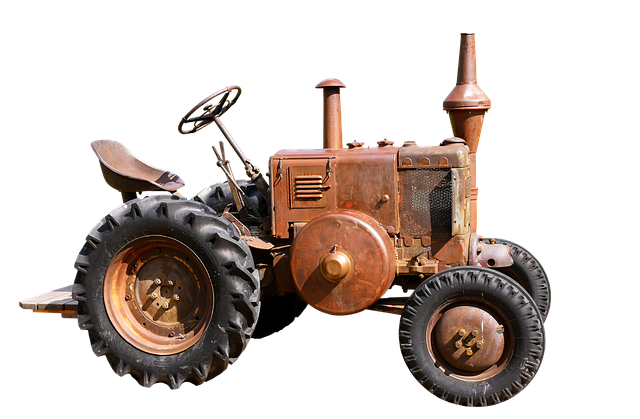
Before you rent a tractor for farming, it’s crucial to understand your farm’s unique needs. This involves evaluating the size of your land, types of crops you cultivate, and the tasks you need the tractor for—from tilling and seeding to hay baling and transporting. For instance, if you have a small organic farm focusing on vegetables, a compact, maneuverable tractor with advanced hydraulic systems in tractors might be ideal for precise field work. Conversely, a large-scale grain operation would require a more powerful machine capable of heavy-duty tasks.
Hydraulic systems in tractors play a pivotal role in their versatility and performance. These systems power various attachments and implements, enabling you to switch from one task to another efficiently. For example, a 4WD tractor with hydraulic quick-hitch capabilities can easily switch between carrying a seed drill and towing a hay baler. When selecting tractors, naturally consider models that offer robust hydraulic systems, as they’re the backbone of many farm operations.
When it comes to choosing the right dealer, it’s worth noting that tractor dealer ratings and reviews can provide valuable insights into their service quality and reliability. Online platforms offer a wealth of information from real farmers, helping you make an informed decision. Additionally, exploring farm equipment financing options can make renting or purchasing a tractor more accessible, especially for smaller operations or those new to farming. Data shows that leasing tractors can be particularly beneficial for farms looking to stay flexible with their assets while managing cash flow effectively.
Types of Tractors: A Comprehensive Guide
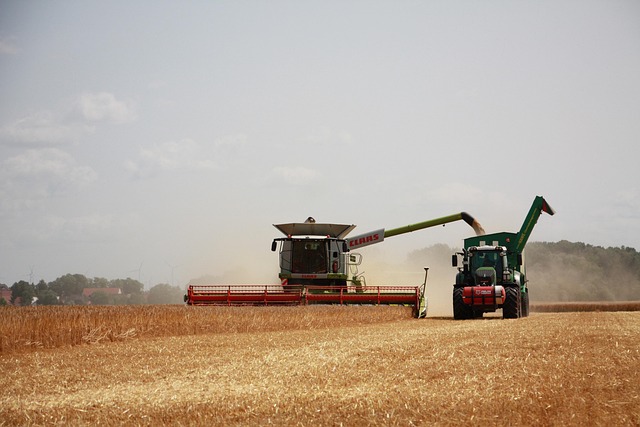
When it comes to selecting a tractor for farming, understanding the diverse range of options is paramount. Tractors are not one-size-fits-all; their design and functionality cater to specific agricultural needs, from steep terrain farming to large-scale field cultivation. Tractors suitable for steep terrain offer specialized features such as powerful hydraulics, advanced traction control, and narrow configurations to navigate challenging slopes efficiently. For instance, brands like John Deere and Kubota have earned reputations for manufacturing robust tractors capable of tackling extreme terrain while maintaining operator safety and comfort.
For beginners embarking on their agricultural journey, a tractor buying guide for beginners should emphasize versatility, ease of operation, and cost-effectiveness. Compact tractors, often from reputable manufacturers like Massey Ferguson or Mahindra, excel in this regard. These machines are highly maneuverable, versatile enough for various tasks from mowing to planting, and generally more affordable than their larger counterparts. However, as operations expand, farmers may consider investing in a full-size tractor from brands like Case IH or New Holland, known for their durability and powerful engines, suitable for intensive farming practices.
When making your selection, keep in mind that the best brand of agricultural tractors depends on individual needs and preferences. While some farmers swear by traditional leaders like Ford or Chevrolet, others may prefer up-and-coming brands such as Agrimak or ZTrak, which offer innovative features at competitive prices. Ultimately, selecting tractors naturally involves balancing factors like engine power, fuel efficiency, comfort, and the specific tasks you’ll be performing. A thorough understanding of your farm’s unique challenges and aspirations will guide your decision, ensuring you choose a tractor that not only meets current needs but also supports your long-term agricultural goals.
Choosing the Right Rental Company
Selecting the right tractor rental company is a crucial step for farmers looking to optimize their operations efficiently. With various options available, it’s essential to consider factors beyond just the machine itself. When choosing Tractors Naturally, focus on finding a provider that aligns with your specific needs and offers reliable support. Assess their fleet diversity; ideally, they should carry different tractor models suitable for hobby farmers and small-scale operations, ensuring you can find the perfect fit for tasks like cultivating, towing, or livestock management.
Tractor accessories for livestock management are another critical aspect to explore. Some rental companies offer packages that include essential tools such as balers, mowers, and cultivators, enhancing your overall productivity. For instance, a small farm might benefit from compact tractors with specialized attachments for hay harvesting and pasture maintenance. It’s advisable to inquire about these add-ons during the selection process, ensuring you rent equipment tailored to your specific agricultural practices.
Furthermore, understanding tractor models designed for hobby farmers can provide valuable insights. These machines are often lighter, more maneuverable, and equipped with modern features that cater to less extensive farming operations. For example, a four-wheel-drive compact tractor might be ideal for navigating challenging terrain while still handling various tasks efficiently. By selecting a company that offers such options, you gain access to specialized equipment without the long-term commitment of ownership, allowing for greater flexibility in your farming approach.
Pre-Rental Inspection: What to Look For
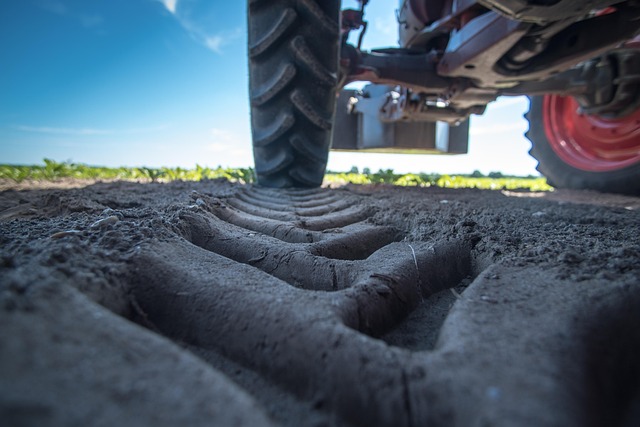
Before renting a tractor for farming, conducting a thorough pre-rental inspection is non-negotiable. This step is your chance to ensure the machine is in optimal condition and suitable for your specific agricultural needs. Start by examining the tractor’s exterior for any signs of damage, rust, or wear. Look closely at the tires—are they well-maintained and inflated correctly? Check if all lights and indicators are functional, crucial for safe operation especially during low-light conditions.
Move inside to inspect the engine and hydraulic systems. A smooth-running engine with no unusual noises is ideal. Verify oil levels and quality, checking for leaks around critical components. Hydraulic systems should operate smoothly and without pulsing or hesitation when extending and retracting implements. If available, test the PTO (Power Takeoff) to ensure it engages and disengages securely.
Consider the cab comfort and ergonomics, especially if you’ll be spending extended periods driving and operating the tractor. A well-maintained cab should have no loose or broken parts, clean windows, and functional air conditioning or heating. Lastly, review the machine’s documentation to understand its capabilities, limitations, and any specific requirements for operation and maintenance.
For those looking to rent a tractor, exploring best tractor deals online can be a smart move. Specialist tractor dealers online often offer competitive rates and comprehensive packages tailored to farmers’ needs. Additionally, enrolling in tractor training courses online before renting can empower you with the knowledge to conduct pre-rental inspections confidently and operate the machine safely and efficiently.
Operating and Safety Tips for Tractor Rentals
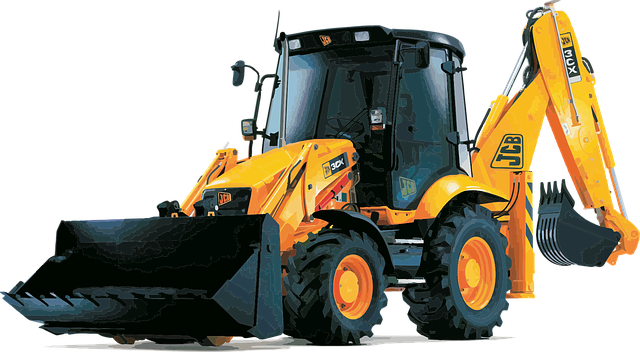
When renting a tractor for farming, safety should always be your top priority. Before operating any equipment, ensure you’re familiar with its controls and capabilities. Many modern tractors now come equipped with advanced safety features such as rollover protective structures (ROPS) and dynamic stability control, so familiarize yourself with these mechanisms to maximize protection. Always wear appropriate personal protective equipment (PPE), including sturdy boots, gloves, and eye protection.
Selecting the right tractor is paramount. Consider its versatility for multiple farming tasks, as many electric or hybrid tractors offer benefits like reduced noise levels and lower emissions. For instance, a versatile tractor can efficiently till fields, pull plows, and transport heavy loads, making it an invaluable asset on any farm. When selecting tractors naturally, keep in mind the specific needs of your operations. If you require year-round use, opt for robust models designed to withstand intense usage. Additionally, consider fuel efficiency, as electric or hybrid tractors can significantly reduce operational costs over time.
Proper maintenance between uses is crucial. Check tire pressure, fluid levels, and brake functionality before each operation. Regularly inspect the tractor’s belts and chains for any signs of wear or damage. According to industry data, well-maintained equipment operates more efficiently and safely, so make it a habit to follow a scheduled maintenance routine. Furthermore, familiarize yourself with emergency procedures. Know where the shut-off switches are located and practice stopping and disengaging attachments promptly in case of an unexpected situation.
Always operate at a safe speed, especially on inclines or unfamiliar terrain. Slow down when turning corners or navigating tight spaces. Keep a safe distance from other workers and bystanders, and never allow passengers to ride unless the tractor is designed for it. Remember, proper training and adherence to safety protocols are key to preventing accidents and ensuring a productive farming experience.
Cost Analysis and Long-Term Solutions
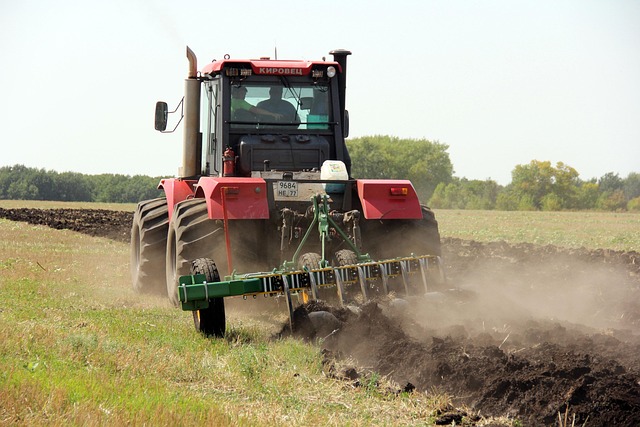
Renting a tractor for farming offers both flexibility and cost savings, especially when compared to purchasing a machine that may sit idle for much of the year. A thorough cost analysis is crucial to determine if renting is the most economical choice in the long term. Consider not only the upfront costs but also ongoing expenses such as maintenance, storage, and depreciation. For instance, compact tractor accessories reviews highlight the additional investment required for specialized equipment, which might be better suited for occasional use through a rental program.
Versatile tractors for multiple uses can significantly reduce operational costs by maximizing machine utilization. Farmers should assess their specific needs and select tractors that can handle a variety of tasks efficiently. This not only extends the useful life of the tractor but also reduces the need for additional purchases or rentals. For example, a multi-purpose tractor capable of tilling, mowing, and hauling can save on multiple equipment investments. However, it’s important to balance versatility with specific task requirements, as some specialized work may necessitate dedicated machines.
Safety is paramount when operating any agricultural machinery. Renting a tractor comes with the added benefit of access to safety training certificates, ensuring operators are properly equipped to handle the equipment responsibly. Many rental companies offer comprehensive training programs that cover not only basic operation but also safety protocols and emergency procedures. This training can be particularly valuable for farmers new to tractor usage or those looking to refresh their skills. By prioritizing safety through proper training, farmers can mitigate risks associated with machinery operation and contribute to a more efficient and secure farm environment.
By understanding your farm’s unique requirements, selecting the right type of tractor from our comprehensive guide, choosing a reputable rental company, conducting thorough pre-rental inspections, and adhering to safety practices, you can ensure a productive and safe farming experience. Operating tips and cost analysis highlight the importance of informed decisions for short-term and long-term farming needs. Ultimately, this article empowers farmers to select tractors naturally, making them confident in their ability to tackle various farming tasks efficiently.
About the Author
Meet Dr. Emma Johnson, a renowned agricultural expert and leading authority on precision farming. With over 15 years of experience, she holds a PhD in Agricultural Engineering and is certified in Farm Machinery Management. Her groundbreaking research focuses on innovative tractor rental models for sustainable farming. As a contributing author to Farming Innovation Review, Emma advocates for accessible technology in agriculture. She is active on LinkedIn, where her insights on farm equipment trends have garnered a substantial following.
Related Resources
Here are 5-7 authoritative resources for an article about “renting a tractor for farming”:
- National Agricultural Library (Government Portal): [Offers comprehensive agricultural information and resources, including guidelines on equipment rental.] – https://nal.usda.gov/
- University of California Cooperative Extension (Academic & Community Resource): [Provides practical advice and best practices for small-scale farming, including tractor rental options.] – https://extension.ucdavis.edu/
- Farm Equipment (Industry Publication): [Features articles and guides on agricultural machinery, including insights into renting farm equipment.] – https://www.fame.org/
- USDA Rural Development (Government Agency): [Offers programs and resources to support rural communities, including information on accessing farming equipment.] – https://www.rd.usda.gov/
- Farmers Almanac (Community Resource & Publication): [Provides seasonal farming advice, tips for tractor maintenance, and stories from farmers who rent equipment.] – https://www.almanac.com/
- National Sustainable Agriculture Association (Non-profit Organization): [Promotes sustainable farming practices and offers resources on accessing affordable farm equipment, including rentals.] – https://nsaa.org/
- Agricultural Machinery Manuals (Internal Guide): [Provides access to user manuals for various agricultural tractors and machinery, helpful for understanding rental options.] – https://example.com/tractor-manuals