
Selecting Select Tractors involves strategic considerations beyond price. Key factors include hydraulic systems for performance, brand reputation (John Deere, Kubota vs. Newer manufacturers), online comparison shopping, and training. Market trends guide purchases. For small farms or rugged terrain, prioritize engine power and efficiency; compact tractors with Tier 4 Final engines are fuel-efficient. Versatile attachment capabilities enhance utility. Balance electric/hybrid vs. diesel for jobsite needs; consider used equipment for smaller operations, new machinery for growth. Select Tractors should support current and future farming goals.
In today’s agricultural landscape, selecting the right tractor is a cornerstone decision for farmers and landowners alike. Tractors are not merely machines; they’re versatile tools that underpin efficient farming practices. However, navigating the vast array of tractor models and varying price points can be daunting. This article provides a comprehensive guide to comparing tractor prices and features, empowering readers with knowledge to make informed choices. We’ll delve into key factors influencing costs, highlight essential features across different models, and offer insights tailored for those seeking to Select Tractors that meet their specific needs without compromising quality or value.
- Understanding Tractor Types and Their Price Range
- Key Features to Consider When Select Tractors
- Market Leaders: Top Brands and Their Pricing Strategies
- Comparing Engine Power and Efficiency
- Attachment Options: Enhancing Tractor Versatility
- Buying Guide: Making an Informed Decision
Understanding Tractor Types and Their Price Range
Tractors are a significant investment for any agricultural operation, with prices varying widely based on type, brand, and features. Understanding these differences is crucial when selecting tractors, especially for those new to agriculture. The market offers various tractor types, each catering to specific farming needs and budgets. For instance, compact tractors are versatile and ideal for smaller operations, typically priced between $15,000 and $30,000, while large row-crop tractors can cost upwards of $200,000, suited for extensive farming.
When navigating the tractor market, considering brand reputation is vital. Established brands like John Deere, Kubota, and Massey Ferguson are renowned for their durability and advanced features. These top brands often come with a premium price tag, reflecting their quality and extensive after-sales support. However, newer entrants and lesser-known manufacturers may offer competitive pricing without compromising performance, providing excellent best tractor deals online. Online platforms facilitate comparison shopping, allowing farmers to research and select tractors based on their specific requirements.
To make informed decisions, potential buyers should also explore tractor training courses online. These resources enable individuals to enhance their knowledge about various tractor models, features, and maintenance practices. Understanding the nuances of different engines, hydraulic systems, and attachments can help users choose the right tractor for their tasks. Additionally, staying updated on industry trends ensures that one makes a well-timed purchase decision, securing the best value in the ever-evolving agricultural machinery market.
Key Features to Consider When Select Tractors

When selecting tractors, beyond simply considering new or used tractor prices, it’s crucial to delve into the key features that will directly impact performance and longevity. A smart purchase involves understanding the intricate components, such as hydraulic systems in tractors explained below, which underpin functionality and versatility. These systems, responsible for controlling fluid power, enable essential tasks like lifting heavy attachments and precise movement, making them a cornerstone of efficient agricultural operations.
New and used tractor prices vary widely depending on brand, model, age, and condition. While a new tractor offers the latest technology and warranty benefits, used tractors can provide excellent value with proper maintenance. However, regardless of source, thorough inspection is paramount. Examine hydraulic lines for signs of wear or leaks, ensure all controls operate smoothly, and verify the overall mechanical integrity of the machine.
Beyond basic functionality, consider modifications that enhance performance up to 30% (on average). Adjusting fuel injection settings, upgrading engine components, and optimizing hydraulic systems are popular strategies. For instance, fitting a high-flow pump in a suitable tractor can significantly improve lifting capacity and versatility for tasks like baling or hauling heavy equipment. Similarly, fine-tuning the injectors can lead to more efficient combustion and reduced fuel consumption, saving operational costs over time.
Market Leaders: Top Brands and Their Pricing Strategies
When comparing tractors, understanding market leaders and their pricing strategies is crucial for any farmer or landowner looking to make a significant investment in farm equipment. Top brands like John Deere, Ford, and Massey Ferguson have established themselves through consistent quality, innovative features, and effective pricing models. For instance, John Deere, a pioneer in agricultural machinery, offers a wide range of tractors from compact utility machines to large row-crop models, with prices varying based on model, size, and additional features. This strategic pricing allows farmers to Select Tractors that align with their specific needs and budgets.
One notable aspect of these market leaders is their ability to balance new and used tractor prices effectively. New tractors come with the latest technology, improved efficiency, and warranty support, making them ideal for those seeking state-of-the-art equipment. However, used tractors from reputable brands can offer significant cost savings without compromising quality or performance. According to industry reports, the average price of a new tractor in 2023 ranges from $50,000 to $100,000, while well-maintained used models can be acquired for as little as 40% less. This presents an attractive option for farmers looking to manage cash flow, especially during economic downturns or when exploring farm equipment financing options.
The best time to buy a new tractor is often at the end of the season when dealers are clearing out inventory to make room for new models. This strategic period allows buyers to secure desirable tractors at discounted prices. For example, farmers who wait until late summer or early fall might find significant savings on 2023 models as dealers aim to meet their annual sales targets. Additionally, keeping an eye on farm equipment financing promotions and considering the economic climate can further enhance buying opportunities. Ultimately, whether selecting new or used tractors, understanding market dynamics and leveraging financing options empowers farmers to make informed decisions that maximize efficiency and profitability on their operations.
Comparing Engine Power and Efficiency
When comparing tractors, particularly for small farms or rugged terrain, selecting a model with the right engine power and efficiency is paramount. High-clearance tractors designed for rugged terrain offer significant advantages, ensuring smooth operation over uneven ground that would challenge standard models. These machines are equipped with powerful engines optimized for torque, enabling them to handle heavy tasks like pulling heavy loads or operating large machinery. For instance, top-tier brands like John Deere and Kubota offer high-clearance tractors with engine outputs exceeding 100 horsepower, ideal for demanding agricultural operations.
Engine efficiency is another critical factor, especially for farmers looking to minimize fuel consumption and reduce operational costs. Modern compact tractors are equipped with advanced engines that deliver more power while consuming less fuel. This is achieved through innovative technologies like precise injection systems and optimized combustion chambers. For small-scale farmers, a compact tractor with a Tier 4 Final engine can offer substantial savings without compromising performance. Reviews of compact tractor accessories highlight the importance of efficient models, as these machines are versatile enough to handle diverse farm tasks while being more environmentally friendly.
To choose the right tractor for your needs, consider your specific agricultural requirements. If rugged terrain is a primary concern, opt for a high-clearance model with a powerful engine. For general farming tasks and cost efficiency, compact tractors with advanced engines are an excellent pick. Additionally, understanding the torque curve of different engines can provide insights into their performance under load. Select Tractors naturally should be at the top of your list when seeking expert advice on how to choose a tractor for small farms, ensuring you make an informed decision based on real-world application and long-term value.
Attachment Options: Enhancing Tractor Versatility
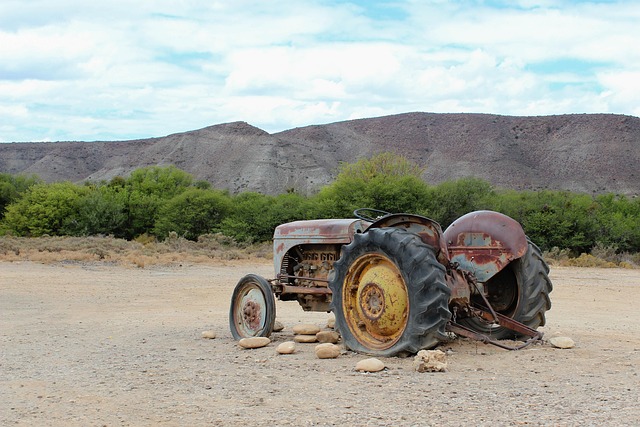
When comparing tractors, one key aspect that sets apart the best machines from the rest is their attachment options. Select Tractors with versatile attachment capabilities can significantly enhance their overall utility and adaptability to various farming tasks. In today’s agricultural landscape, where diverse operations demand multifaceted equipment, this feature becomes a game-changer.
The top 10 tractor brands globally understand this dynamic and offer an extensive range of attachments to cater to specific farming needs. For instance, John Deere’s comprehensive line includes front-end loaders, pallet forks, and various tillage tools, allowing farmers to efficiently switch between cultivating crops and moving materials. Similarly, brand X’s modular design enables easy attachment switching, from mowers and snow blowers in the season to heavy-duty buckets for land clearing. This flexibility not only saves time but also reduces the need for multiple specialized machines, streamlining farm operations.
Tractor modifications for improved performance are another way to enhance versatility. Upgrading components like engines, transmissions, and hydraulics can boost power and efficiency. For example, fitting a high-torque engine with a precision fuel injection system can significantly increase a tractor’s pulling capacity, making it suitable for heavier tasks like towing trailers or operating large machinery. Moreover, incorporating advanced safety features is crucial in modern tractors. These include stability control systems that prevent skidding during steep turns and collision mitigation aids to protect both the operator and nearby workers, ensuring safer operation and peace of mind.
By carefully considering attachment options and exploring tractor modifications, farmers can tailor their equipment to specific requirements. This strategic approach ensures that each tractor purchase or upgrade offers maximum value, enabling select tractors to handle a multitude of tasks while prioritizing safety and performance.
Buying Guide: Making an Informed Decision

When considering a purchase of Select Tractors, whether for agricultural or landscaping purposes, making an informed decision requires a thorough comparison of prices and features. The market is inundated with options, from robust new models to reliable used farm tractors for sale near you—each catering to distinct needs and budgets. A smart approach involves evaluating both financial aspects and practical attributes to find the perfect fit.
Start by assessing your workload demands. Electric or hybrid tractors offer environmental benefits and lower operating costs, making them ideal for smaller, more contained jobsites. If tackling extensive fields or demanding tasks, a traditional diesel tractor might prove more suitable due to its power and durability. Research indicates that hybrid models can reduce fuel consumption by up to 30% compared to conventional tractors, translating to significant savings over time.
Consider also the extent of your farming or landscaping operations. Smaller-scale operations may find used farm equipment more economical, while larger enterprises might benefit from financing options available for new machinery. These include flexible loans and lease programs tailored by farm equipment financing institutions, allowing for investment in state-of-the-art tractors without straining cash flow. Remember, the right tractor isn’t just about initial cost; it’s a long-term investment that should align with your operational goals and future expansion plans.
By thoroughly understanding tractor types, their price ranges, and key features, readers are now equipped to make informed decisions when Select Tractors. The article has highlighted the importance of considering engine power, efficiency, attachment options, and brand reputation. It’s crucial to balance cost with quality and functionality, especially given the diverse market leaders available. With this knowledge, buyers can navigate the market effectively, ensuring they get the most value for their investment. Next steps involve comparing specific models against personal needs, evaluating brand-specific features, and assessing long-term costs beyond initial purchase prices. This strategic approach will result in a satisfying selection process that meets individual requirements.