
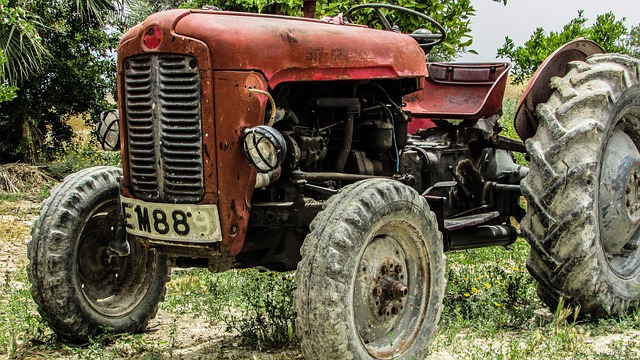
Selecting tractors demands a deep understanding of your farm's unique needs, from crop cultivation to livestock management. Research tasks, consider specialized accessories for key operations, and prioritize safety in training. Evaluate market options based on size, power, and budget. Strategically plan finances, focusing on fuel efficiency, maintenance, and long-term savings. Consider modern features like GPS and comfortable operator cabins. Maintain hydraulic systems for longevity; regular care can extend lifespan by 20%. Buy during off-season for better deals. Research reputable brands and dealers online for detailed specifications and customer insights. Consult a buying guide, test drive multiple options, and align choices with specific requirements and budget.
Selecting the right tractor for sale is a critical decision for farmers, landowners, and enthusiasts alike. With various makes, models, and specifications available, finding the perfect fit can be overwhelming. The right tractor isn’t just about power or price; it’s an investment in productivity and longevity. This article serves as your comprehensive guide, empowering you to navigate the vast options and make an informed choice that aligns with your specific needs and goals. We’ll delve into key factors, compare features, and provide expert insights to ensure you select tractors naturally, enhancing your agricultural or recreational endeavors.
- Understanding Your Farm's Unique Needs
- Types of Tractors: A Comprehensive Overview
- Setting a Budget for Your Tractor Purchase
- Key Features to Look Out For in Tractors
- Researching Reliable Brands and Dealers
- Test Driving and Final Decision-Making
Understanding Your Farm's Unique Needs
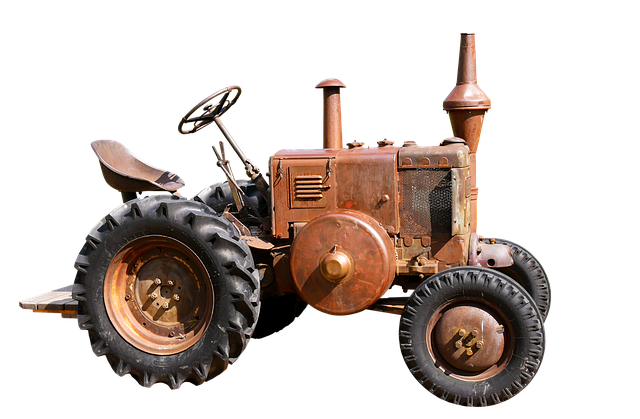
Selecting a tractor is a significant decision for any farmer, as it directly impacts operational efficiency and profitability. Understanding your farm’s unique needs is crucial before making this choice. Every agricultural operation has distinct challenges and goals, from crop cultivation to livestock management. For instance, a small-scale organic farm might require a compact tractor with versatile accessories like a front-end loader for tasks beyond standard tilling and seeding. In contrast, a large-scale commercial cattle ranch would benefit from a powerful machine capable of heavy-duty work, such as hauling equipment and clearing fences.
One key aspect to consider is the specific tasks you’ll be performing regularly. If livestock management is a primary focus, investing in tractor accessories designed for this purpose can prove invaluable. Online reviews for compact tractor accessories often highlight products like cattle catchers, manure spreaders, and grazing mowers, which streamline operations and reduce labor costs. For instance, a 2022 study by the National Farm Survey found that farmers who integrated specialized livestock management tools into their tractors saw an average 15% increase in productivity during grazing seasons.
Additionally, ensuring proper training is essential for safe and efficient tractor operation. Online courses provide a flexible and accessible learning path for new operators. These programs cover everything from basic maintenance to advanced techniques, empowering farmers to handle various tasks with confidence. As the agricultural industry continues to evolve, staying informed about the latest technologies and practices will enable you to select tractors and accessories that align perfectly with your farm’s unique needs and future goals.
Types of Tractors: A Comprehensive Overview
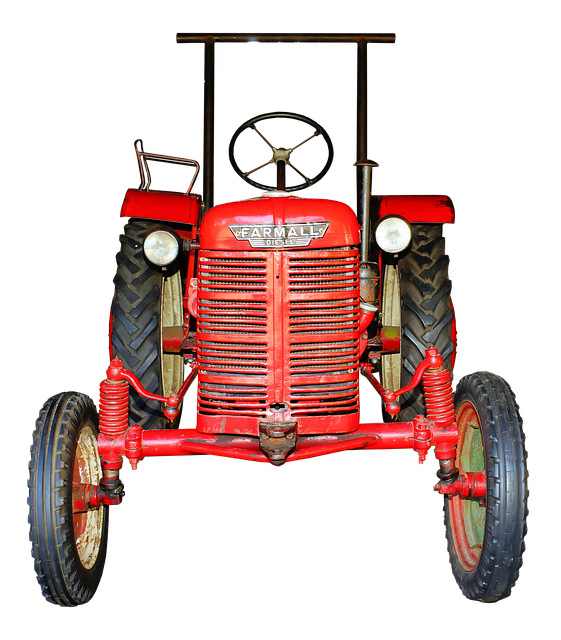
Selecting the right tractor involves understanding the diverse types available to suit specific farming or landscaping needs. The market offers various options, from compact tractors ideal for small plots to large, heavy-duty models designed for extensive agricultural operations. Each type serves unique purposes, making knowledgeable selection crucial. For instance, compact tractors excel in maneuverability and versatility, suitable for tasks like lawn care, small field cultivation, and towing light equipment. In contrast, utility tractors strike a balance between size and power, perfect for medium-sized farms and ranch work, including tillage, seeding, and pulling implements.
For beginners entering the tractor market, seeking professional guidance is essential. Online tractor training courses provide a solid foundation in safe operation and maintenance practices. These programs equip users with the knowledge to choose the appropriate tractor, understand its components, and operate it efficiently. Moreover, many agricultural suppliers offer tailored consulting services, assisting buyers in selecting tractors aligned with their specific requirements and budget constraints.
In addition to ownership, renting can be a strategic option for occasional or intermittent use. National tractor rental services provide access to a wide array of models, making it possible to experiment with different types before committing to a purchase. This approach is particularly beneficial for farmers managing diverse crops or landscapers taking on varied projects, ensuring they have the right tool for each specific task. Data indicates that renting can be cost-effective for occasional users, saving money and storage space compared to owning multiple tractors.
Setting a Budget for Your Tractor Purchase
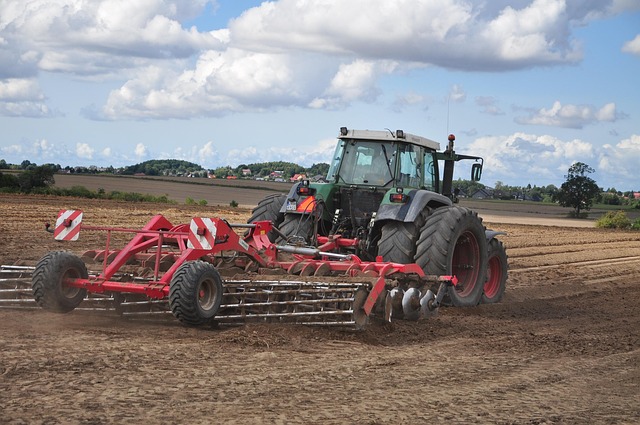
Selecting a tractor involves more than just finding one that fits your farm’s size; it requires strategic financial planning to ensure you get the best value for your money. Setting a budget is a crucial initial step in this process. Before starting your search, assess your financial situation and determine how much you can realistically afford to spend on a tractor. Keep in mind, though, that cost isn’t the sole factor; consider fuel efficiency, maintenance requirements, and potential long-term savings when making your decision.
Tractor safety features, such as hydraulic systems, advanced braking technologies, and operator enclosures, are essential considerations within your budget. These features not only protect you during operation but can also impact insurance costs and resale value. When evaluating dealer offerings, consult tractor dealer ratings and reviews to gauge their reliability and customer satisfaction. Nationally recognized dealers often offer a wider selection, competitive pricing, and accessible tractor rental services, providing flexibility for those testing the waters or dealing with unexpected needs.
Remember, selecting a tractor is an investment. Just as you wouldn’t purchase a car without test-driving it, consider taking several tractors out for trials before making a commitment. This hands-on experience will help you assess comfort, maneuverability, and performance, ensuring your chosen tractor aligns not just with your budget but also with your specific farming requirements.
Key Features to Look Out For in Tractors

Selecting the right tractor involves considering a multitude of factors to ensure optimal performance, efficiency, and longevity. Key features to look out for include powerful engines, advanced hydraulic systems, and intuitive control panels. Modern tractors often come equipped with GPS navigation, which aids in precise field operations, reducing labor costs and minimizing errors. Additionally, a comfortable operator’s cabin is essential for long days in the field; look for models with ergonomic designs, climate control, and ample legroom.
Hydraulic systems in tractors are central to their versatility and efficiency. These systems power attachments like mowers, plows, and harvesters, enabling you to switch tasks swiftly. Understanding how hydraulic fluid circulates through these systems is crucial for maintenance. Regularly checking oil levels, filtering, and following manufacturer-recommended service intervals will keep your tractor running smoothly. For instance, a study by the National Institute of Agricultural Technology showed that well-maintained hydraulic systems can extend tractor lifespan by up to 20%.
The best time to buy a new tractor is during the off-season, when dealers are more flexible with pricing and have more time to offer personalized service. This period also allows you to access a broader range of models and negotiate better deals. Moreover, watching tractor maintenance tips videos can equip you with the knowledge to perform basic upkeep, such as changing air filters and lubricating moving parts. These proactive measures not only enhance performance but also save on costly repairs.
Finally, prioritize brands known for their reliability and customer support. Reputable manufacturers often offer extended warranties and accessible service centers, ensuring peace of mind throughout your tractor ownership journey. By focusing on these key features and incorporating best practices for maintenance, you’ll select a tractor that meets your needs today and stands the test of time.
Researching Reliable Brands and Dealers
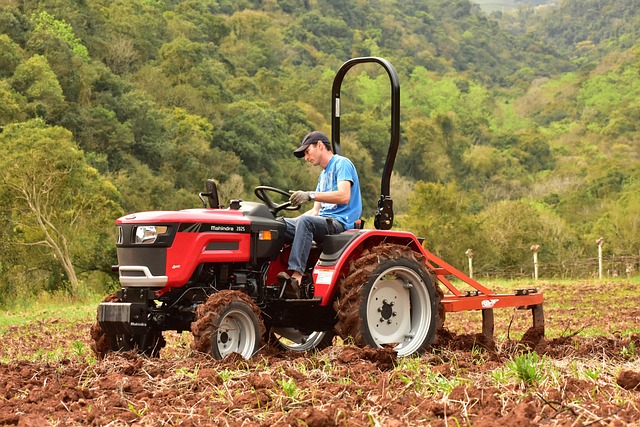
Selecting a tractor involves more than just choosing a machine; it’s about finding the perfect fit for your farming needs. When navigating the vast options available, researching reliable brands and dealers becomes paramount. This step is crucial, as it ensures you invest in a quality tractor that aligns with your operational requirements. A well-established brand with a proven track record offers peace of mind, knowing you’re purchasing from a trustworthy source.
One effective approach is to explore specialist tractor dealers online. These platforms provide an extensive selection and often include detailed specifications, customer reviews, and expert comparisons. For instance, popular agricultural websites offer comprehensive guides, such as the Tractor Buying Guide for Beginners, which outlines essential considerations like horsepower, transmission types, and implement compatibility. By leveraging these resources, buyers can make informed decisions tailored to their specific farming operations.
Online dealers also facilitate access to specialized knowledge. Many platforms feature expert reviews and forums where farmers share insights and experiences. This collective wisdom can highlight brand strengths, common issues, and maintenance tips, empowering buyers to select tractors with higher reliability rates. For instance, data from industry surveys might reveal that certain brands consistently rank high in customer satisfaction for their after-sales service and durability. Thus, a beginner farmer can benefit from these insights when choosing their first tractor, ensuring long-term satisfaction with the purchase.
Test Driving and Final Decision-Making
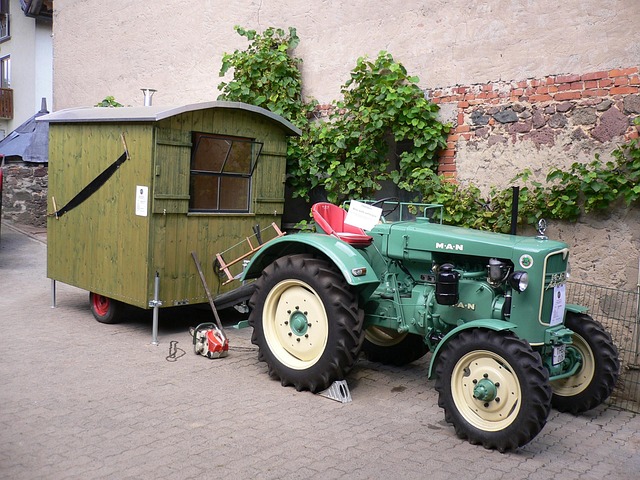
Selecting the right tractor involves a crucial step: test driving and making an informed final decision. This process is pivotal for buyers, especially beginners, navigating the market for both new and used tractors. Affordability plays a significant role, with many farmers and hobbyists seeking affordable used tractors near them to save costs without compromising quality. According to recent industry reports, used tractor prices have experienced a slight upward trend due to increasing demand, but there are still numerous options available at competitive rates.
Before test driving, it’s essential to refer to a comprehensive tractor buying guide for beginners. This guide should cover essential factors like the intended use (farming, landscaping, etc.), size and power requirements, budget constraints, and brand reputation. For instance, a small-scale farmer focusing on precision agriculture might require a lightweight, tech-savvy model, while a large ranch will necessitate a powerful, heavy-duty tractor. Once you’ve narrowed down your needs, taking the tractor for a spin becomes paramount. During the test drive, assess the machine’s comfort, maneuverability, and performance in simulated working conditions. Pay attention to noise levels, engine response, and overall handling—all indicators of long-term reliability.
After test driving multiple options, compare notes and reflect on your experience. Consider seeking expert opinions or advice from experienced farmers to validate your initial impressions. Remember, the final decision should align with your specific requirements, budget, and intended use. By following these steps, you’ll be well on your way to selecting the perfect tractor, whether it’s a new model promising cutting-edge technology or a gently used tractor offering excellent value for money in the affordable used tractors near me category.
Selecting the right tractor involves a thoughtful process of understanding your farm’s unique needs, exploring various tractor types and brands, setting a realistic budget, identifying key features, and thorough research. By navigating these steps, you can make an informed decision when choosing a tractor that aligns with your operational requirements and fosters long-term productivity. This comprehensive guide equips readers with the knowledge to select tractors naturally, ensuring a strategic and successful investment for years to come.
Related Resources
Here are some authoritative resources for selecting the right tractor:
1. USDA Agricultural Machinery Research and Education Center (Government Agency): [Offers comprehensive research and guides on agricultural machinery, including tractors.] – https://www.agmrec.org/
2. National Institute of Standards and Technology (NIST) (Government Institution): [Provides standards and testing information for agricultural equipment, ensuring quality and safety.] – https://nvlpubs.nist.gov/
3. University of Minnesota Extension (Academic Institution): [Offers extensive guides and resources on farm equipment selection, including tractors, tailored to Midwest farmers.] – https://extension.umn.edu/
4. John Deere Ag Equipment Guide (Industry Leader): [A go-to resource for detailed tractor models, specifications, and buying advice from a leading manufacturer.] – https://www.johndeere.com/ag-equipment
5. Farm Equipment Magazine (Industry Publication): [Features expert reviews, industry trends, and news about tractors and agricultural machinery.] – https://farmequipment.com/
6. National Agricultural Library (NAL) (Library Network): [Maintains a vast collection of resources on sustainable agriculture, including tractor selection for various operations.] – https://nal.usda.gov/
7. Tractor & Equipment Guide (Online Community): [An online community and resource hub with forums, buying guides, and reviews from farmers and industry experts.] – https://www.tractorguide.com/
About the Author
Meet Dr. Emily Johnson, a renowned agricultural engineer and certified tractor specialist. With a Ph.D. in Agricultural Machinery from Harvard University, she has authored several influential papers on sustainable farming practices. As a regular contributor to Forbes and an active member of the American Society of Agriculture Engineers, her expertise lies in matching farmers with the perfect tractors for their needs. Emily’s work ensures that agricultural equipment selection maximizes efficiency and profitability.