
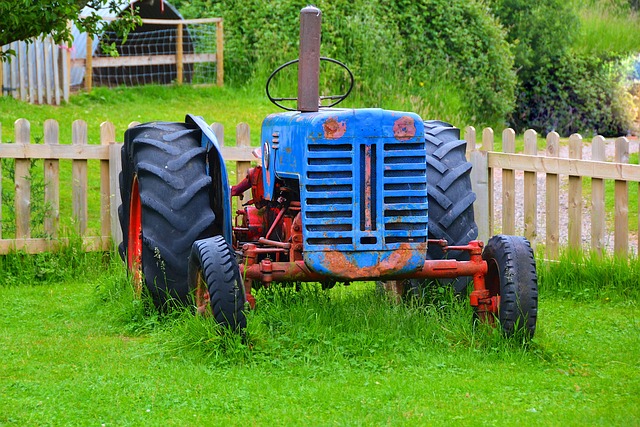
Selecting tractors requires a deep understanding of farm needs, including terrain, crop types, and specific tasks. Key decisions involve engine power, hydraulic systems, GPS guidance, and data analytics. Aligning selection with farm goals ensures optimal performance, efficiency, and cost-effectiveness. For small holdings, prioritize performance, fuel efficiency, comfort, and safety features. Beginners should focus on specific needs, fuel efficiency, resale value, warranty, and after-sales service. Informed choices lead to enhanced productivity, cost savings, and efficient agricultural task management.
In today’s agricultural landscape, selecting the right tractor for sale is more than just a transaction; it’s a strategic decision that can significantly impact farm efficiency and productivity. With countless options available, farmers face a complex task in choosing equipment tailored to their unique needs. This comprehensive guide aims to demystify the process, offering expert insights on navigating the market, evaluating features, and ultimately, selecting tractors that become valuable assets for years to come. By the end, readers will possess the knowledge to make informed choices, ensuring they get the most from their investment in agricultural machinery.
- Understanding Your Farm's Unique Needs
- Researching Tractor Types and Models
- Evaluating Performance and Features
- Buying Smart: Tips for Acquisition & Delivery
Understanding Your Farm's Unique Needs
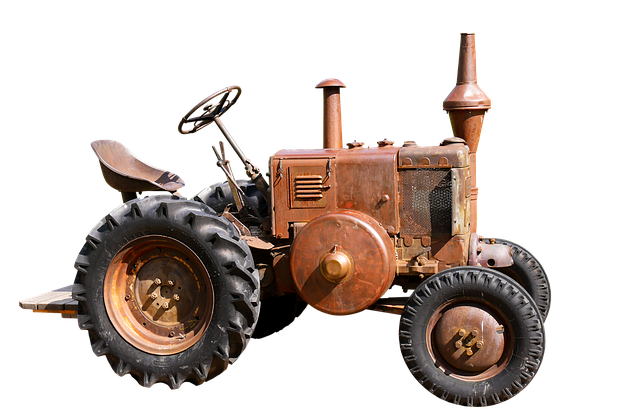
Selecting a tractor involves more than just picking a machine; it requires understanding your farm’s unique needs to make an informed decision. Every operation is distinct, with varying terrain, crop types, and scale of cultivation. For instance, a small-scale organic farmer focusing on specialty crops will have different requirements than a large-scale commercial farming enterprise dealing in heavy grains and livestock.
Heavy-duty tractors for construction, while robust and versatile, might not be the best fit for precision agriculture or delicate ecosystems. Conversely, compact tractors designed for maneuverability on smaller plots may lack the power needed for intensive land clearing or heavy tillage. When considering new vs used tractors, remember that initial costs can vary significantly, with new models offering the latest technology and warranties but at a premium price. Used tractors can provide excellent value, especially if budget is a primary concern; however, careful inspection is crucial to ensure longevity and avoid hidden expenses.
A prudent approach involves evaluating specific farm tasks, soil conditions, and future goals. For instance, if your operations heavily rely on heavy equipment attachments for land preparation, consider models with robust engines and advanced hydraulics. Conversely, if precision farming techniques are a priority, invest in tractors with advanced GPS guidance systems and data-driven analytics. By aligning tractor selection with these unique needs, you ensure optimal performance, enhanced efficiency, and long-term cost-effectiveness.
Researching Tractor Types and Models
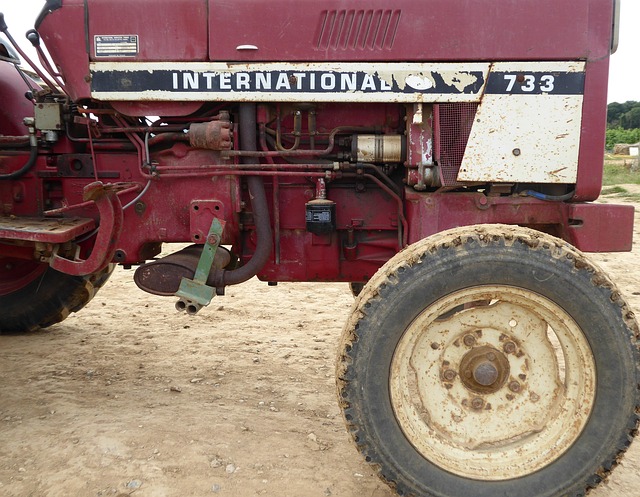
Selecting a tractor involves more than just choosing a shiny new machine; it’s about finding the perfect fit for your specific farming needs. To ensure you make an informed decision when buying a tractor, deep research is essential. Start by understanding different tractor types and their unique capabilities. For instance, vineyards benefit immensely from compact tractors designed with precision agriculture in mind, featuring advanced systems for vine training and yield management.
High-performance tractors are the workhorses of large fields, offering powerful engines and advanced hydraulics to handle heavy tasks like plowing and harvesting efficiently. These machines often come equipped with GPS navigation systems, enabling accurate field mapping and enhancing operational effectiveness. A fuel-efficient tractor is a smart investment for long-term cost savings, especially when managing extensive lands. Compare models based on their diesel or gasoline engines, considering factors like power output, torque, and fuel consumption to find the best tractor for your money that aligns with your land’s requirements.
Beyond type and size, consider additional features. Modern tractors offer a range of technological advancements, from advanced cab designs providing excellent visibility and comfort to state-of-the-art control systems. Some even incorporate telemetrics, allowing you to monitor performance remotely and optimize maintenance schedules. When researching, consult industry experts, farmer reviews, and reputable agricultural publications for insights into the latest tractor models, comparing their features, reliability, and customer satisfaction ratings. This comprehensive approach will empower you to select tractors that deliver top-notch performance, enhance productivity, and stand the test of time.
Evaluating Performance and Features
Selecting the right tractor is a crucial decision for any farmer, especially those operating small holdings. When evaluating tractors for sale, performance and features are key aspects to consider. The best time to buy a new tractor is often during the off-season, when dealers are more flexible with pricing and models may be easier to source. This allows farmers to compare various makes and models without the rush of peak seasons. For instance, a small-scale farmer looking for how to choose a tractor might consider fuel efficiency, engine power, and comfort features like an ergonomic seat and easy-to-use controls.
One essential step is to assess the tractor’s performance in relation to your farm’s specific needs. Consider factors such as horsepower, PTO (Power Take-Off) capacity, and maximum drawbar pull. These specifications are vital for tasks like plowing, harvesting, and towing. For example, a 50-horsepower tractor may suffice for smaller fields, while larger operations might require models with at least 80 HP. Additionally, checking tractor dealer ratings and reviews can provide valuable insights into the reliability and customer satisfaction of different brands and models.
Moreover, features like GPS guidance, precision farming tools, and advanced hydraulic systems can significantly enhance productivity and efficiency. These technologies enable precise planting, spraying, and harvesting, minimizing waste and maximizing yields. When making your selection, prioritize safety features such as a robust cab design, emergency stop buttons, and stable roll-over protection structures (ROPS). Remember that the best tractor for you is one that balances performance, features, and affordability, aligning perfectly with the unique demands of your small farm.
Buying Smart: Tips for Acquisition & Delivery
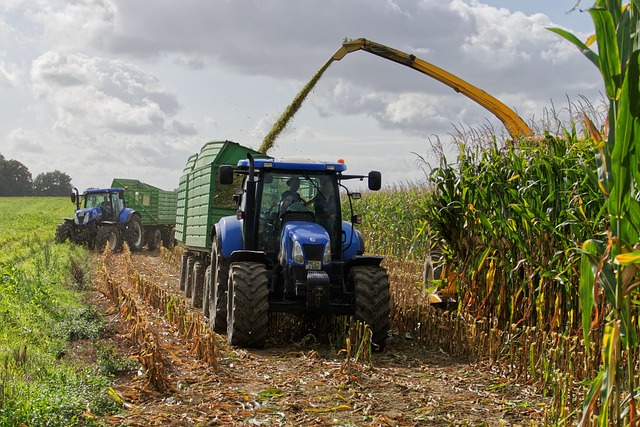
Selecting the ideal tractor is a significant decision for farmers, hobbyists, or anyone venturing into agricultural machinery. This process demands careful consideration to ensure you make an informed choice that aligns with your specific needs and budget. A smart approach involves understanding your requirements, researching available options, and comparing fuel-efficient tractors to find the best fit. For beginners, navigating the tractor buying guide can seem daunting but is manageable with the right insights.
Fuel efficiency is a growing concern for many buyers, especially hobby farmers who may not operate their machinery as extensively as full-time farmers. Modern tractors have made significant strides in this area, offering advanced engines and innovative technologies that reduce fuel consumption without compromising performance. For instance, some leading brands boast fuel savings of up to 20% compared to traditional models, which translates to substantial cost benefits over time. When comparing tractor models, consider factors like engine power, hydraulic systems, and transmission types—these contribute to overall efficiency.
A practical approach involves evaluating your typical tasks and the scale of your operations. Smaller hobby farms may benefit from compact, lightweight tractors with versatile attachments, while larger operations might require more powerful machines designed for heavy-duty work. Additionally, consider resale value, warranty coverage, and after-sales service when making your selection. A tractor buying guide tailored to beginners can be a valuable resource, offering step-by-step advice on evaluating different models and negotiating prices. Ultimately, selecting tractors smartly ensures you get the most out of your investment while streamlining agricultural tasks efficiently.
By carefully understanding your farm’s distinct requirements, researching various tractor types and models, evaluating performance and features, and employing smart buying tips, you can confidently select tractors that meet your unique needs. This strategic approach ensures optimal efficiency, reduces costs, and enhances long-term productivity. Remember, the right tractor is not just a machine but an investment in your farm’s future.