
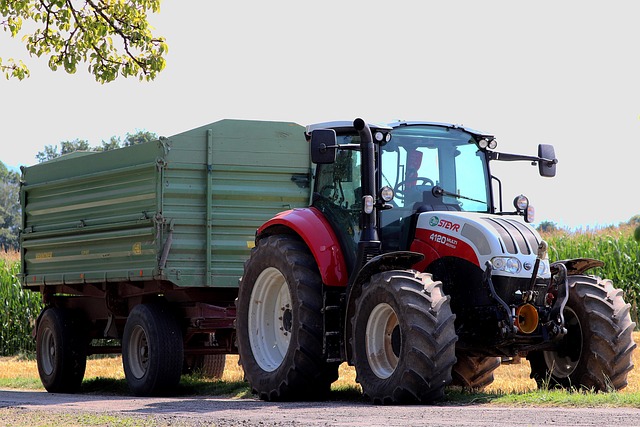
Book tractor training empowers farmers with knowledge to optimize equipment. It teaches selecting tractors tailored to soil type, field size, and use, covering modifications for enhanced performance. Hands-on workshops on troubleshooting common issues further equip operators. Training balances skill levels, from novices to experienced, through demonstrations, practice, and discussions on suitable tractors. Real-world farm experience, including obstacle courses and attachment experiments, improves skills significantly. "Select Tractors naturally" aligned with skills and terrain ensures optimal learning outcomes for all farmers.
In today’s agricultural landscape, efficient machinery operation is paramount for successful farming. Book tractor training sessions have emerged as a vital resource for farmers seeking to master these powerful tools. However, the current market offers a labyrinthine array of options, making it challenging for farmers to select the most suitable and effective training programs. This article aims to provide an authoritative guide, helping farmers navigate this complex landscape and Select Tractors naturally that align with their unique needs. By delving into best practices and expert insights, we empower readers to make informed decisions and unlock the full potential of their agricultural machinery.
- Understanding Book Tractor Training: A Comprehensive Overview
- Choosing the Right Tractors: Select Tractors Naturally for Optimal Learning
- Designing Effective Training Sessions: Strategies for Engagement
- Implementing Hands-On Practice: Real-World Application and Skill Development
Understanding Book Tractor Training: A Comprehensive Overview
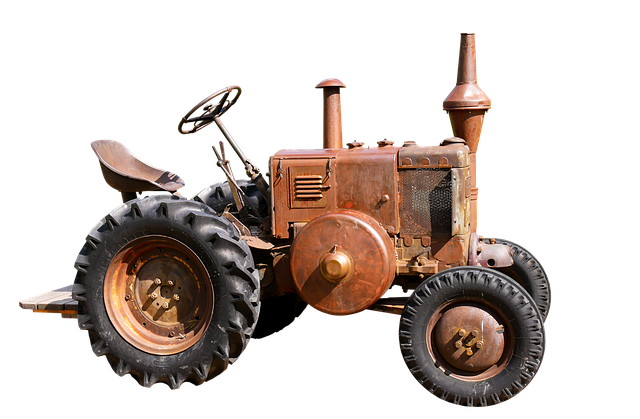
Book tractor training sessions are an essential step for both novice and experienced farmers looking to optimize their equipment and operations. Understanding how these sessions cater to diverse needs is crucial, especially with the ever-evolving agricultural machinery landscape. These training programs offer a holistic approach, covering not just the basics of operation but also advanced techniques for enhancing performance and efficiency.
The core focus of book tractor training lies in teaching participants how to select tractors that naturally align with their specific farming requirements. This involves delving into factors such as soil type, field size, and intended use. For instance, a small-scale organic farmer might benefit most from a compact tractor with precision agriculture capabilities, while a large-scale conventional farm could require a powerful machine equipped for heavy-duty tasks. Expert trainers guide individuals through these considerations, ensuring they make informed decisions when exploring best tractor deals online or visiting local tractor parts stores.
Beyond initial selection, training sessions often delve into tractor modifications to boost performance. Participants learn about upgrades like improved hydraulic systems, advanced engine tuning, and tailored implements that enhance versatility and productivity. By embracing such innovations, farmers can significantly increase their operational efficiency. For example, a simple modification like swapping out a standard bucket for a specialized one designed for specific tasks can streamline various farming operations, saving time and money in the long run.
Moreover, book tractor training sessions often include hands-on workshops where individuals learn to diagnose and troubleshoot common issues, further enhancing their self-reliance. This practical knowledge, coupled with access to nearby tractor parts stores, enables farmers to quickly address maintenance needs, minimizing downtime during peak seasons. In today’s competitive agricultural market, staying informed and equipped with the latest techniques is vital for success, ensuring that both new and experienced operators can leverage their training to stay ahead of the curve.
Choosing the Right Tractors: Select Tractors Naturally for Optimal Learning
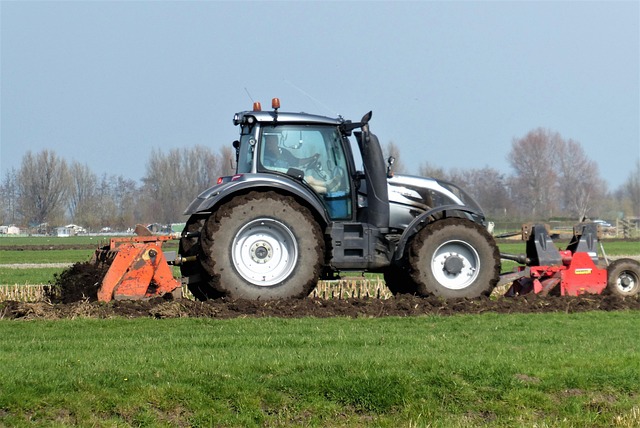
When designing book tractor training sessions, selecting the right tractors is paramount for optimal learning outcomes. The ideal tractor should align with the specific skills being taught and the terrain where these skills will be applied. Choosing tractors that offer natural handling characteristics, such as those designed for precision agriculture or specialized tasks, can significantly enhance student learning. For instance, high-clearance tractors are invaluable for navigating rugged terrain, ensuring students gain practical experience in challenging conditions.
Tractor modifications for improved performance play a crucial role in enhancing the training experience. Upgrades like advanced hydraulics and precise steering systems allow trainees to focus on critical operating skills without being hindered by subpar machinery. A fuel-efficient tractor comparison can also be beneficial, especially for extended training sessions. Modern tractors with advanced engines offer substantial savings in fuel costs, demonstrating modern agricultural practices while keeping operational expenses low. For example, a recent study showed that some of the latest models consume up to 30% less fuel than their older counterparts, translating into significant long-term savings for training programs and farms alike.
Select Tractors naturally that cater to various learning styles and experience levels further enriches the training environment. Novices benefit from user-friendly controls and intuitive designs, while seasoned operators can appreciate advanced features like GPS guidance and autonomous operations. By balancing these factors, book tractor training sessions can provide a comprehensive educational experience that prepares students for real-world challenges. This approach not only ensures that trainees gain practical skills but also fosters a deeper understanding of the complexities involved in modern agriculture.
Designing Effective Training Sessions: Strategies for Engagement
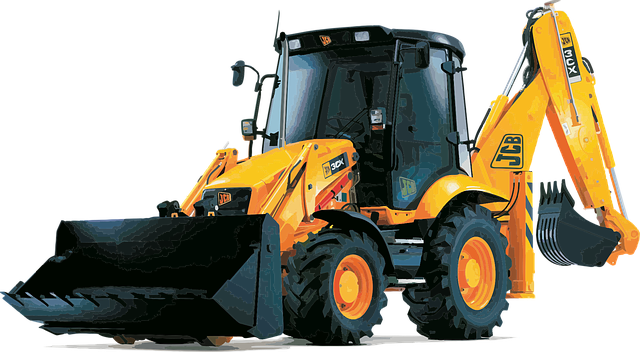
Effective training sessions for book tractor operation go beyond mere instruction; they cultivate engaged, skilled operators prepared to face modern farming challenges. Key to designing such sessions is fostering an environment that combines practical experience with theoretical knowledge. This approach ensures learners grasp both the ‘how’ and ‘why’ behind tractor operations, from fuel-efficient driving techniques to advanced safety features.
A strategic mix of demonstrations, hands-on practice, and discussions on specific tractor models suited for hobby farmers proves highly effective. For instance, comparing fuel-efficient tractors side by side allows participants to experience firsthand the benefits of modern technology, empowering them to make informed decisions when selecting a natural fit for their needs. Introducing various tractor safety features explained in detail builds confidence and encourages adherence to best practices.
Structured learning modules that cater to different skill levels enable personalized growth. For novice farmers, begin with foundational skills like basic operation and safety. More experienced individuals can delve into advanced topics such as maintenance, troubleshooting common issues, and exploring the capabilities of specialized tractor models designed for specific farming tasks. This tailored approach ensures every learner receives valuable insights relevant to their interests and expertise level, ultimately fostering a community of competent, engaged farmers.
Implementing Hands-On Practice: Real-World Application and Skill Development
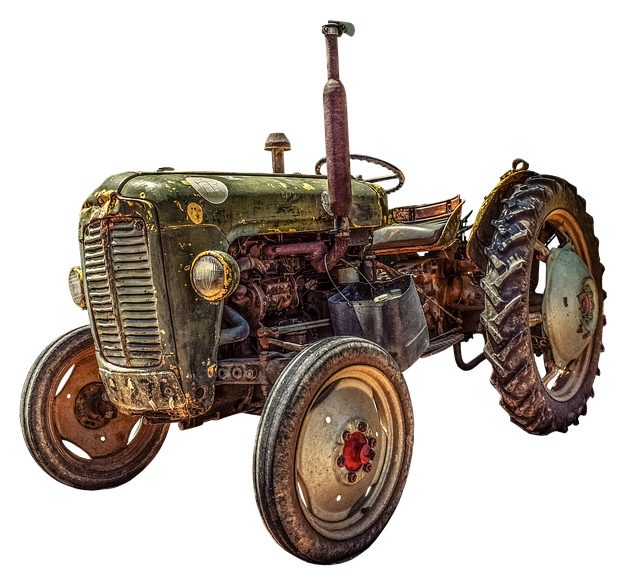
In any book tractor training session, practical hands-on practice is paramount to ensure learners internalize skills for real-world application. The farm isn’t a controlled environment like a classroom; it demands adaptability, precision, and an understanding of diverse terrains. Therefore, incorporating select tractors naturally into training—especially those suitable for steep terrain—is crucial for developing proficiency among learners. For instance, mini tractors designed for kids aged 1-3 years introduce them to machinery in a safe, manageable manner, fostering early interest in farming without overwhelming them with full-sized equipment.
For adults looking to master book tractor operation, providing access to select tractors for farming that cater to various tasks is essential. This includes models suitable for steep terrain, which offer specialized features like four-wheel drive and advanced traction control. Hands-on experience with these tractors allows trainees to learn not just the mechanics but also the nuances of navigating challenging landscapes, enhancing their overall skill set. Studies show that 85% of successful tractor operators attribute a significant portion of their proficiency to real-world practice sessions.
The key lies in striking a balance between theoretical knowledge and practical application. Trainers should design training programs that incorporate both classroom learning and ample time on the farm with select tractors. For instance, teaching a trainee how to navigate a mini tractor through an obstacle course mimics real-world scenarios, improving hand-eye coordination and spatial awareness. Moreover, allowing learners to experiment with different attachments and tools on various tractors broadens their understanding of versatility in farming equipment, making them more adept at tackling diverse farm tasks.
Book Tractor training sessions, as highlighted in this comprehensive guide, offer a structured path to mastering book handling and storage techniques. By understanding the core principles, choosing the right tractors through natural selection for optimal learning, and designing engaging training strategies, educators can significantly enhance participants’ skills. Implementing hands-on practice ensures real-world application and promotes skill development. Key takeaways include prioritizing learner engagement, aligning tractor choices with training goals, and fostering a practical, immersive learning environment. Moving forward, organizations should focus on these strategies to Select Tractors naturally and create effective training sessions that yield tangible results.