
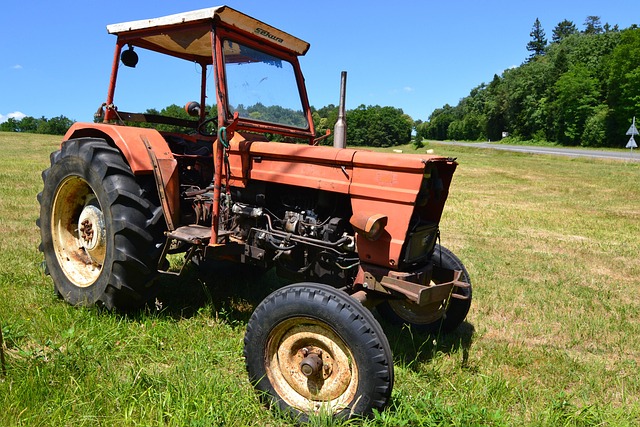
Accessing affordable agricultural supplies is vital for sustainable farming. Select tractors naturally based on fuel efficiency, safety features, and local needs. Balance new vs. second-hand purchases, considering cost, maintenance, and technology. Implement smart shopping strategies like negotiating and joining farming communities. Prioritize efficient models to reduce costs and environmental impact. Ensure safe operation through recognized training. Combine these approaches for strategic tractor selection within budget constraints.
Accessing affordable agricultural supplies is a cornerstone of sustainable farming practices, enabling small-scale farmers to compete and thrive. However, the current landscape presents significant challenges, with rising costs and limited access to quality equipment hampering productivity and profitability. This article explores a game-changing solution: selecting tractors naturally. By adopting a holistic approach that considers environmental impact, durability, and economic viability, farmers can make informed choices that not only enhance their operations but also contribute to a more resilient agricultural sector. We delve into the factors driving this shift, offering expert insights tailored for those committed to sustainable farming practices.
- Identify Local Resources for Affordable Agricultural Supplies
- Evaluate Tractors: Natural Selection for Sustainable Farming
- Explore Options: Second-Hand vs New Machinery
- Smart Shopping: Tips for Negotiating and Sourcing Deals
Identify Local Resources for Affordable Agricultural Supplies

Accessing affordable agricultural supplies is a cornerstone for sustainable farming practices, especially among smallholder farmers and beginners. Among these resources, selecting tractors stands out as a strategic investment due to their versatility and longevity. Where cost is a primary concern, electric or hybrid tractors offer significant benefits such as reduced fuel expenses, lower emissions, and quieter operations. These options are not only environmentally friendly but also budget-conscious, making them ideal for those just starting in agriculture.
Identifying local resources for these supplies is the first step towards informed purchasing decisions. A thorough tractor buying guide for beginners should consider factors like intended use, land type, and operational needs. For instance, a small farmer cultivating a diverse range of crops might require a multi-purpose tractor with advanced safety features, such as power steering, hydrostatic transmission, and front-end loaders. Incorporating these into your selection process ensures not only affordability but also optimal performance and reduced risks in the field.
Safety remains paramount when operating agricultural machinery. Features like seat belts, roll-over protection, and easy-to-use controls significantly minimize potential hazards. Many modern tractors come equipped with advanced safety systems that are designed to prevent accidents and protect operators, especially during steep turns or on uneven terrain. Understanding these features is crucial for both new farmers and those upgrading their equipment. By prioritizing safety, farmers can ensure not only compliance with industry standards but also their well-being and that of their workforce.
Data from agricultural research indicates that investing in quality tractors can lead to increased farm efficiency and productivity. For instance, a study comparing fuel consumption among traditional, electric, and hybrid tractors found that electric models can save up to 30% on fuel costs annually. Additionally, these models often require less maintenance, further extending their cost-effectiveness over time. Incorporating local resources and selecting the right tractor, whether conventional or alternative, allows farmers to navigate the challenges of modern agriculture while staying within budget constraints.
Evaluate Tractors: Natural Selection for Sustainable Farming
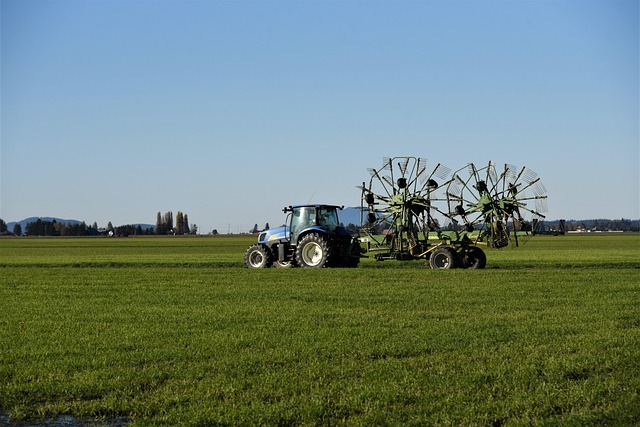
Accessing affordable agricultural supplies is a cornerstone of sustainable farming practices, and one of the most crucial decisions farmers make is selecting the right tractors. Tractors, often referred to as the natural selection for modern farming, play a pivotal role in enhancing efficiency and productivity on farms. When considering tractor acquisition, farmers should prioritize models that align with their specific needs, environmental considerations, and long-term sustainability goals.
A strategic approach involves evaluating fuel-efficient options, which not only reduce operational costs but also minimize the environmental footprint. For instance, a recent comparison of leading brands revealed that modern, advanced engines can deliver up to 20% better fuel economy without compromising performance. This shift towards energy efficiency is a significant step towards sustainable farming practices. Moreover, renting tractors has emerged as a popular option, especially for smaller operations or those adopting seasonal practices. Nationwide tractor rental services provide access to the latest models, ensuring farmers can stay current with technology while managing costs effectively.
To ensure safety and maximize returns on their investment, farmers should prioritize obtaining tractor safety training certificates. These certifications, recognized across the industry, attest to a farmer’s proficiency in operating tractors safely and efficiently. Many organizations offer comprehensive courses that cover everything from basic handling techniques to advanced agricultural practices, empowering farmers with the knowledge to make informed decisions. By combining these practical steps, farmers can naturally select tractors that not only meet their current needs but also contribute to the long-term sustainability of their operations.
Explore Options: Second-Hand vs New Machinery

Accessing affordable agricultural supplies is a cornerstone for sustainable farming practices, especially for smallholdings and emerging farmers. One significant decision point revolves around the choice between purchasing new or second-hand machinery, particularly when selecting tractors. This exploration delves into the benefits and considerations of each option, guiding farmers in making informed choices to optimize their operations while staying within budget constraints.
Second-hand tractors offer a cost-effective solution for those on a tight budget. Prices can be as much as 30% lower than new models, providing significant savings without compromising functionality. For instance, a used tractor with suitable tractor accessories for livestock management, such as a front-end loader and a hay baler, can become a farmer’s reliable workhorse. This option also reduces the environmental impact associated with manufacturing new machinery, making it an eco-conscious choice. However, buying second-hand requires meticulous inspection to ensure the tractor is in good working order and suitable for the intended tasks. Regular maintenance and potential modifications may be necessary to keep the machine running optimally.
New tractors, while generally more expensive, come with the advantage of cutting-edge technology and enhanced performance. The latest models often feature improved fuel efficiency, advanced hydraulic systems, and comfortable operator cabins. These innovations translate into increased productivity and reduced operational costs in the long term. Additionally, new tractors typically include manufacturer warranties, offering peace of mind and protection against unexpected repairs. Farmers should weigh these benefits against their financial capabilities and consider tractor modifications for improved performance if they opt for a new machine, ensuring it aligns with their specific needs.
Ultimately, selecting between new and second-hand tractors depends on individual circumstances. A farmer looking to minimize upfront costs and has the time and expertise for maintenance might favor used machinery. Conversely, those prioritizing efficiency, comfort, and warranty support may choose a new tractor, potentially investing in tractor accessories later to tailor it to their specific requirements. Balancing these factors enables farmers to make strategic decisions that drive the success of their agricultural ventures.
Smart Shopping: Tips for Negotiating and Sourcing Deals
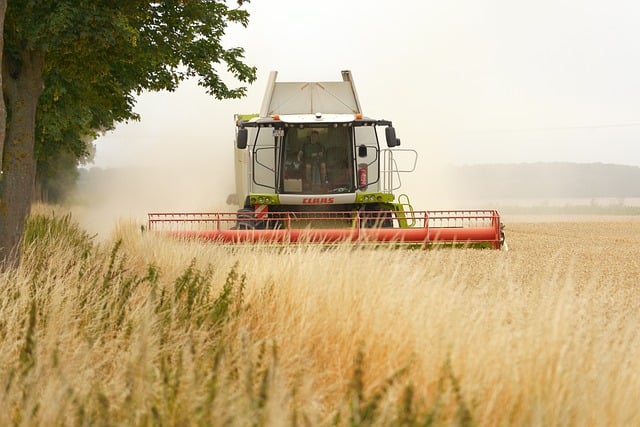
Accessing affordable agricultural supplies is a key component of sustainable farming practices, especially for small-scale or beginning farmers. Smart shopping strategies, including negotiation and sourcing deals, can significantly reduce costs without compromising quality. One of the most substantial investments a farmer can make is in a tractor, which serves as the workhorse of any farm. The best time to buy a new tractor is during the off-season when dealers are more flexible with pricing and models from the previous year are often discounted. For instance, a 2022 model might be available at a substantial discount by early 2023.
Selecting tractors for farming should be based on specific needs rather than just brand or size. Farmers should consider tractor modifications to improve performance, such as upgrading engines for better fuel efficiency and strength, installing advanced hydraulic systems for precise control during tasks, or adding specialized attachments for diverse farming operations. However, it’s crucial to balance these upgrades with budget constraints. Negotiating with dealers is an art; farmers can leverage market trends, compare prices from different sellers, and highlight any potential modifications they plan to make.
Deals can also be found through online marketplaces and farm equipment auctions. These platforms often offer a wide range of options at varying price points. However, buying second-hand equipment requires careful inspection to avoid costly repairs or hidden issues. Farmers should assess the condition of the tractor, check its service history, and consider expert opinions before making a significant purchase. Additionally, joining farming communities and cooperatives can provide insights into the best times to buy, share knowledge about reliable dealers, and even facilitate peer-to-peer sales, fostering a collaborative environment that supports affordable access to agricultural supplies.
By identifying local resources, evaluating sustainable options like Select Tractors naturally, exploring second-hand vs new machinery, and employing smart shopping strategies for negotiation, farmers can access affordable agricultural supplies while promoting long-term sustainability. This article has equipped readers with practical knowledge to make informed decisions, ensuring they secure quality equipment at competitive prices. With these insights, farmers are now empowered to navigate the market effectively, fostering a more sustainable and cost-efficient agricultural landscape.