
Selecting a tractor involves careful consideration of financing options tailored to diverse needs. Online dealers offer competitive rates and guidance on suitable models for various tasks. Mini tractors are an accessible entry point, while leasing provides flexibility with regular model updates. Proactive maintenance is crucial for longevity.
Financing options include traditional loans from specialized lenders offering 'Select' tractors with attractive rates. Leasing allows access to modern equipment without significant upfront costs, catering to seasonal demands.
For business growth, equipment finance offers flexible lease terms aligned with specific farming needs and technology upgrades. Government programs and subsidies significantly influence financing, promoting sustainability and advanced agriculture technologies.
Alternative lending methods like peer-to-peer platforms democratize access to capital for specific tractor requirements, empowering informed decision-making by first-time buyers.
In today’s agricultural landscape, acquiring the right machinery is pivotal for farmers aiming to enhance productivity and maintain profitability. Among these, tractors stand as indispensable assets, powering through various farming operations. However, the financial burden of purchasing high-quality tractors can be a significant challenge, especially for smaller operations or those looking to expand. This is where tractor financing options come into play, offering a lifeline to farmers seeking to Select Tractors that meet their unique needs without straining their budgets. This article delves into the diverse and accessible financing opportunities available, empowering agriculturalists to make informed decisions and secure their ideal farming equipment.
- Understanding Tractor Financing Options
- Traditional Loans for Select Tractors
- Leasing: A Flexible Approach to Farming
- Equipment Finance for Business Growth
- Government Programs and Subsidies Explained
- Alternative Lending: Peer-to-Peer & Online Platforms
Understanding Tractor Financing Options

Selecting a tractor is an important investment decision for farmers, landowners, and even hobbyists. Understanding your financing options is crucial to make this process less daunting and more affordable. The good news is that there are various avenues to explore when it comes to tractor financing, tailored to suit different needs and budgets. One popular approach is to engage with specialist tractor dealers online, who often offer competitive rates and flexible terms for equipment purchases. These dealers can provide expert guidance on choosing the right tractor models suitable for specific tasks, be it for large-scale farming operations or hobbyist gardening.
For instance, mini tractors have gained popularity among kids aged 8-16 as a fun way to learn about machinery while helping out on the family farm or ranch. These smaller machines can be an excellent starting point for younger individuals interested in agriculture, and there are numerous affordable options available. When considering financing, it’s beneficial to explore alternatives such as leasing programs offered by some manufacturers. Leasing provides flexibility, allowing users to update to newer models regularly without a long-term financial commitment. This is particularly useful for those who require the latest technology or want to keep up with evolving agricultural practices.
Maintaining your tractor is also an essential aspect of ownership. Regular, inexpensive maintenance tips can extend the life of your equipment and ensure optimal performance. For instance, keeping engine oil clean and changing it at recommended intervals significantly reduces wear and tear. Similarly, routine checks on tires, belts, and hydraulic systems can prevent costly breakdowns. Online resources and communities dedicated to tractor enthusiasts offer a wealth of knowledge sharing cheap tractor maintenance tips, ensuring that owners can keep their machinery in top condition without breaking the bank.
Ultimately, understanding your financing options empowers you to make informed choices when purchasing or leasing a tractor. By exploring online dealers, considering leasing programs, and adopting proactive maintenance practices, you can navigate this process with confidence, ensuring long-term value and satisfaction from your investment.
Traditional Loans for Select Tractors
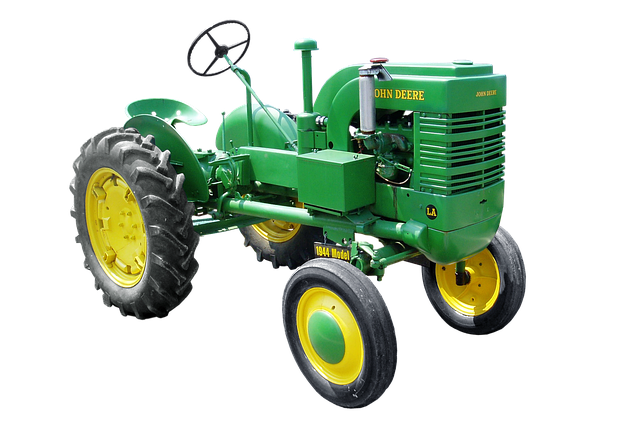
When exploring tractor financing options, one of the established paths involves traditional loans for select tractors. This approach offers a familiar and often accessible means to fund agricultural equipment, particularly for small-scale farmers and hobbyist gardeners looking to invest in quality machinery. The key lies in understanding which tractors qualify as ‘select’ under these lending programs, as well as the factors that influence new and used tractor prices.
Popular brands like John Deere, Kubota, and Massey Ferguson are often at the forefront when discussing best small tractors for gardening due to their reliability and versatility. These manufacturers cater to a range of budgets, offering both new models with the latest features and affordable pre-owned options. According to industry reports, the average price for a mid-sized agricultural tractor can range from $15,000 to $40,000, depending on brand, model, and condition. Lenders typically consider tractors aged 3-5 years as ‘select’ due to their proven performance and remaining resale value.
Traditional loans often appeal to borrowers with established credit histories, offering competitive interest rates and flexible terms. However, it’s crucial to compare offers from multiple lenders to secure the best deal. For instance, a farmer considering a used John Deere tractor might find lower interest rates by financing through a specialized agricultural lender compared to a general bank. This is where expert advice from agricultural consultants or experienced dealers can prove invaluable, guiding borrowers through the process and ensuring they select the right tractor within their budget.
Leasing: A Flexible Approach to Farming
Leasing offers farmers a flexible approach to tractor financing, providing an alternative to traditional ownership models. This method allows producers to access state-of-the-art equipment without the significant upfront costs often associated with purchasing new or used tractors. By leasing, operators can select tractors naturally that align with their specific farming needs and budget constraints. The flexibility extends beyond initial acquisition; many lease agreements accommodate modifications for improved performance, catering to unique agricultural requirements.
When considering leasing, farmers should explore current market dynamics for new and used tractor prices. According to recent industry reports, the average cost of a compact tractor ranges from $10,000 to $25,000 for newer models, with used tractors available at substantially lower price points. Top-rated compact tractors in 2023 offer advanced features like hydrostatic transmission, power steering, and PTO capabilities, all of which contribute to enhanced efficiency and operator comfort. Some lease programs even allow for the upgrade or replacement of equipment after a set period, ensuring farmers stay equipped with modern machinery.
Leasing provides several strategic advantages. It offers the ability to scale operations up or down based on seasonal demands without being tied to long-term debt. Moreover, it frees up working capital that would otherwise be tied up in tractor purchases, enabling farmers to invest in other critical areas of their business. For example, a mid-sized farming operation might choose to lease a larger tractor for heavy field work during peak season and then transition to a smaller, more maneuverable model for precision agriculture tasks the rest of the year. This dynamic approach allows for versatile and efficient fleet management.
When selecting a leasing option, it’s crucial to evaluate various providers and their terms. Consider factors like down payment requirements, lease duration, maintenance responsibilities, and buyout options at the end of the term. Top-tier leasing companies often offer transparent pricing structures and flexible conditions tailored to different farming enterprises. By carefully considering these aspects, producers can secure a profitable and sustainable partnership with tractor leasing, ensuring they select the right equipment for their operations without compromising their financial health.
Equipment Finance for Business Growth
For agricultural businesses looking to expand their operations, investing in quality tractors is a strategic decision that can significantly impact long-term growth. Equipment finance offers an accessible path for farmers to acquire these essential tools while managing cash flow effectively. When it comes to choosing the right tractor, selecting one tailored to specific farming needs is crucial. For instance, vineyards require machines with precise control and versatility, leading many experts to recommend top-tier brands known for their durability and specialized features.
One of the most significant advantages of equipment finance is its flexibility. Farmers can opt for lease terms aligned with their business cycle, allowing them to upgrade or replace tractors as their needs evolve. This strategy enables businesses to stay agile and adapt to changing market dynamics. For example, a data-driven approach could reveal that a newer, more fuel-efficient model reduces operational costs, making it an attractive option for future financing decisions. Additionally, maintenance costs can be mitigated through smart choices; cheap tractor maintenance tips include regular servicing and timely repairs, which are easier to manage with access to quality parts and skilled technicians.
The right financing solution should complement the selected tractors, ensuring they become assets that drive productivity rather than burden operations. Businesses should consider their financial goals, cash flow projections, and the overall impact on their bottom line when making equipment finance decisions. For instance, selecting tractors for farming that offer advanced technology, such as GPS guidance systems, can enhance efficiency and reduce labor costs over time, justifying a higher upfront investment with potential long-term savings.
Government Programs and Subsidies Explained
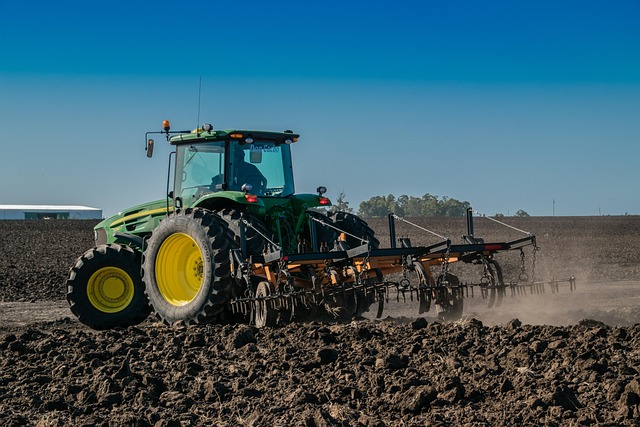
Government programs and subsidies play a significant role in shaping the tractor financing landscape, offering farmers, ranchers, and construction professionals diverse options to acquire the equipment they need. These initiatives aim to support agricultural development while promoting sustainable practices, particularly with the advent of advanced tractor safety features explained by industry experts as crucial for reducing accidents and enhancing productivity on farms.
One notable program is the USDA (United States Department of Agriculture) Farm Service Agency’s (FSA) direct and guaranteed loan programs. These schemes enable individuals to purchase select tractors naturally, including heavy-duty tractors for construction tasks, at affordable rates. The FSA also offers grants and subsidies for specific purposes, such as improving agricultural practices or adopting new technologies, including electric or hybrid tractors, which offer environmental benefits and reduced operating costs—a smart move towards sustainability in an industry facing increasing pressure to minimize its carbon footprint.
Additionally, many governments worldwide provide incentives for the purchase of precision agriculture equipment, encouraging the use of advanced sensors and GPS technology to optimize farming operations. These subsidies not only help farmers invest in modern, efficient machinery but also contribute to data-driven decision-making, leading to improved crop yields and reduced environmental impact. Understanding these government initiatives is essential for anyone seeking tractor financing, ensuring access to the latest equipment while capitalizing on available support.
Alternative Lending: Peer-to-Peer & Online Platforms
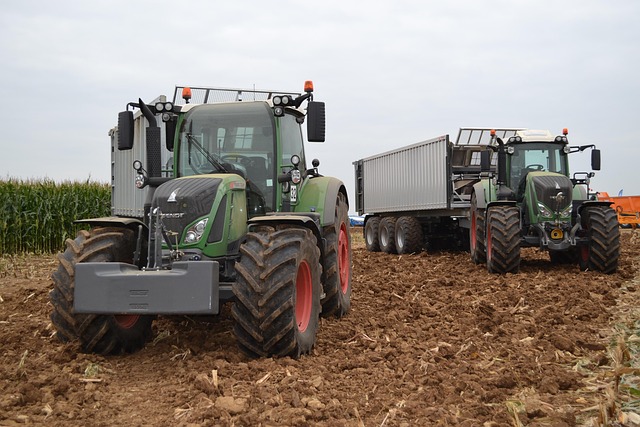
In today’s agricultural landscape, farmers are increasingly turning to alternative lending methods for purchasing machinery, particularly when it comes to selecting tractors. Peer-to-peer (P2P) and online platforms offer unique financing opportunities, catering to diverse farming needs, especially for small operations looking to acquire robust equipment like high-clearance tractors suitable for rugged terrain. These innovative approaches democratize access to capital, providing farmers with flexible options that traditional banking may not always offer.
Peer-to-peer lending platforms facilitate direct connections between lenders and borrowers, often making it easier for farmers to secure funding for specific purchases, such as selecting a tractor tailored to their operation’s unique requirements. For instance, a small-scale farmer focusing on organic produce might opt for a versatile tractor with advanced hydraulic systems to accommodate various tasks efficiently. Online platforms allow borrowers to detail their specific needs, enabling lenders to provide targeted support and competitive rates. This personalized approach ensures that farmers can find financing that aligns with the precise specifications of their desired tractors, be it a model known for its durability in challenging conditions or one equipped with state-of-the-art hydraulic systems for precise farming operations.
Moreover, online platforms often offer transparency in terms and conditions, interest rates, and repayment schedules, empowering farmers to make informed decisions when choosing a tractor and the subsequent financing method. This level of accessibility is particularly beneficial for first-time buyers navigating the market for high-clearance tractors or other specialized equipment. By leveraging these alternative lending sources, farmers can secure the necessary capital to invest in quality machinery, ultimately enhancing their operational capabilities and contributing to the sustainability of modern agriculture.
By exploring various financing options, farmers and agricultural businesses can unlock the potential for equipment acquisition, expansion, and growth. The article has illuminated a diverse range of choices, from traditional loans catering to specific tractor models (Select Tractors included) to innovative leasing arrangements and alternative lending platforms. Understanding these avenues enables informed decision-making, especially when navigating government initiatives and subsidies designed to support the agricultural sector. Armed with this knowledge, readers can strategically secure funding for their farming operations, whether it’s for upgrading equipment or scaling up production, ultimately shaping a robust and adaptable agricultural landscape.
Related Resources
Here are 5-7 authoritative resources for an article about tractor financing options:
Farmers National Bank (Financial Institution): [Offers insights into agricultural lending and financing programs tailored to farmers.] – https://www.fnb.com/ag-lending
USDA Farm Service Agency (Government Portal): [Provides information on various farm loan programs and financial assistance for farmers and ranchers.] – https://www.fsa.usda.gov/
AgOne Finance (Industry Leader): [Specializes in financing for agricultural equipment, including tractors, with resources for buyers and sellers.] – https://agonefinance.com/
Harvard Business Review (Academic Study): [Presents case studies and articles on financing options for small businesses, which can be relevant to agricultural ventures.] – https://hbr.org/
National Agricultural Library (Library Resource): [Offers a wealth of information on sustainable agriculture, including financial management and funding opportunities.] – https://nal.usda.gov/
Agricultural Machinery Finance Guide (Online Community): [Provides an extensive guide to financing agricultural equipment, with tips and resources for farmers.] – https://www.agmachfinance.com/
AgBanking Today (Industry Publication): [Covers trends and news in agricultural banking, offering insights into financing options available for farm operations.] – https://agbankingtoday.com/
About the Author
Meet Dr. Emma Johnson, a renowned agricultural finance expert with over 15 years of experience. Holding a PhD in Rural Economics and a CFA charter, she has authored several scholarly articles on tractor financing strategies. As a contributing writer for Forbes and active member of the Agriculture Finance Network, Dr. Johnson offers deep insights into optimizing farming investments, particularly in the realm of tractor leasing and purchasing options.